MBTA and City of Boston Launch Automated Bus Lane Camera Enforcement Across Critical Transit Corridors to Safeguard Schedules and Slash Commute Delays
Transforming Transit Reliability Through High-Tech Automated Enforcement
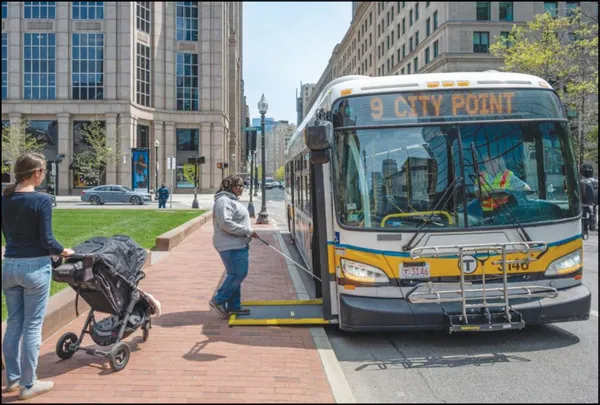
BOSTON, Massachusetts — In a significant operational leap forward for urban transit equity and schedule reliability across the metropolitan core, the Massachusetts Bay Transportation Authority (MBTA) in strategic partnership with the City of Boston Transportation Department has officially commenced citywide automated camera enforcement across designated bus-only lanes and high-volume bus stops. Formally activated on October 1, 2026, the advanced computer-vision camera network targets illegal vehicle idling, blocking, and unauthorized lane incursions that have historically bogged down key bus lines and delayed tens of thousands of daily commuters.
The rollout follows state legislative authorization empowering municipal transit authorities to employ automated optical technology to protect dedicated mass transit rights-of-way. Operating across high-traffic corridors—including Washington Street, Columbus Avenue, Broadway, and Blue Hill Avenue—the intelligent cameras continuously monitor transit thoroughfares to ensure clear passage for MBTA riders, school transit vehicles, and emergency first responders.
Multi-Corridor Deployment and Comprehensive Grace Period
Equipped with high-definition optical sensors and optical character recognition (OCR) algorithms, the enforcement systems are deployed both on fixed roadside gantries along critical pinch-points and directly mounted aboard front-facing windshield housings of MBTA bus fleets. When an unauthorized private vehicle or commercial delivery van obstructs an active bus lane or pulls into an ADA-designated curbside boarding zone during restricted hours, the system captures synchronized time-stamped video evidence and license plate imagery.
To support public awareness and education during the initial rollout, transit officials instituted a structured warning phase. Registered vehicle owners detected blocking transit corridors will initially receive warning notices outlining the civic impact of bus obstruction before escalating to municipal citations and graduated financial penalties, adhering strictly to municipal data privacy guidelines.
Complementary Accessibility Upgrades and Car-Free Senior Initiatives
The enforcement debut is part of a comprehensive transit enhancement push unfolding across greater Boston this autumn. Concurrently, the MBTA officially opened the newly constructed, fully ADA-compliant pedestrian connection at Milton Station, linking Adams Street directly to rapid light-rail boarding platforms via gentle inclines and textured warning pavements. Furthermore, the MBTA is launching enrollment for its flagship 'Car-Free Seniors' pilot program on October 13, 2026, offering zero-fare transit access for qualifying residents aged 75 and older across all bus, subway, and commuter rail zones.
Regional transportation planners project that eliminating bus lane obstructions will reduce average bus journey times by up to 25 percent on prioritized routes, delivering faster, more predictable trips for working families, students, and essential healthcare personnel.
Accelerating Climate Goals and Greater Boston Economic Mobility
Boston civic leadership emphasized that rapid, dependable public bus transit is essential to meeting the Commonwealth's ambitious carbon reduction targets and easing regional traffic gridlock. By safeguarding dedicated transit corridors from illegal parking bottlenecks, Boston ensures that public transportation remains a dignified, fast, and competitive alternative to private automobile travel across New England’s economic capital.
📰 Related Stories
- Boston BPDA Evaluates Mayor Wu's Tax Abatement Plan for 1,400 Homes as Blue Hill Avenue Transit Overhaul Advances Boston • Oct 03, 2026
- Boston BPDA Reviews Mayor Wu's Tax Relief for 1,400 Stalled Homes as MBTA Activates Automated Bus Lane Cameras Boston • Oct 03, 2026
- MBTA Initiates Dynamic Pilot Testing of Next-Generation Type 10 Low-Floor Light Rail Vehicles at Riverside Facility Under $816 Million Green Line Fleet Modernization Boston • Oct 03, 2026
- MassDOT and MBTA Break Ground on $1.28 Billion North Station Draw One Bridge Replacement and Advance $600 Million Commuter Rail Modernization Boston • Sep 29, 2026