NYC Subway Surpasses 4.7 Million Daily Riders as MTA Rolls Out 2,500 Clean Buses and City Deploys Housing Fast Track
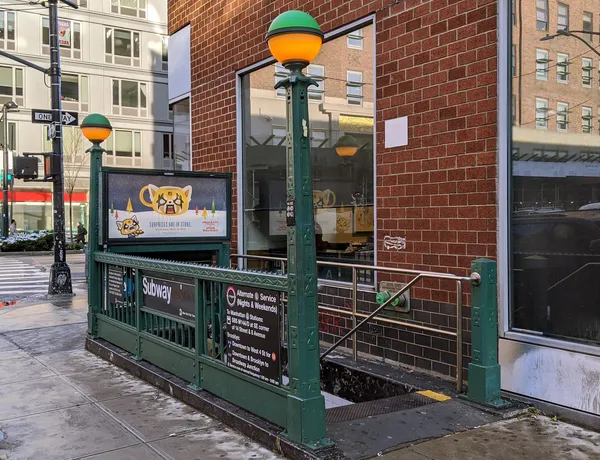
Subway System Hits Post-Pandemic Milestone of 4.7 Million Daily Commuters
NEW YORK, New York — Confirming a decisive resurgence in public transit utilization across the five boroughs, the Metropolitan Transportation Authority (MTA) announced in October 2026 that the New York City subway network achieved a post-pandemic ridership high of nearly 4.7 million daily paid passengers. Transit analysts credited aggressive safety enhancements, shortened headways on trunk lines, and systemwide contactless OMNY fare-capping for restoring passenger confidence and driving commuter volume back toward historic benchmarks.
The ridership milestone coincides with active implementation of the MTA’s $68 billion 2025–2029 Capital Plan, championed jointly by state and municipal leaders. A major centerpiece of the program, the Bus Action Plan, commenced field deployment in early October, introducing the first tranches of 2,500 state-of-the-art low-emission and electric buses alongside automated camera enforcement across 50 priority surface transit corridors to dramatically improve cross-town travel speeds.
City Designates 12 Community Districts for Affordable Housing Fast Track
Simultaneously addressing the metropolitan region's pressing affordability demands, municipal administrators finalized the designation of 12 Community Districts under the newly enacted Affordable Housing Fast Track initiative. Approved overwhelmingly by municipal voters, the landmark program targets areas historically producing fewer subsidized units—including sectors of the Upper West Side, Upper East Side, Bay Ridge, Borough Park, Canarsie, Corona, Elmhurst, and portions of Staten Island.
Commencing January 1, 2027, qualifying 100 percent affordable housing developments in these designated districts will bypass the traditional seven-month Uniform Land Use Review Procedure (ULURP), advancing through an expedited 90-day statutory certification window. City planners highlighted that shaving months off pre-development timelines significantly curtails carrying costs for non-profit homebuilders.
Modernizing Rail Rolling Stock and Enforcing Rent Protections
To protect passenger service against escalating macroeconomic supply pressures, state transportation leaders are coordinating with federal authorities to navigate supply-chain tariffs on specialized railway manufacturing components, safeguarding orders for modern R211 subway trainsets and long-distance commuter rail coaches. Concurrently, the municipal Rent Guidelines Board's annual lease adjustments took legal effect across rent-stabilized properties on October 1.
Civic advocates and transportation planners commended the coordinated momentum, noting that synchronizing massive transit capital modernization with aggressive land-use acceleration creates an enduring foundation for equitable New York metropolitan growth.
📰 Related Stories
- Port Authority Advances $9.5 Billion JFK New Terminal One as Landmark 2.6-Million-Square-Foot Gateway Enters Systems Integration and Operational Trials New York City • Oct 03, 2026
- NYC Council Advances 'City of Yes for Housing Opportunity' Zoning Overhaul to Add 100,000 Homes Across Five Boroughs New York City • Oct 03, 2026
- NYC Council and CUNY Launch Free Unlimited OMNY Pilot for Students as Portal North Bridge Enters Final Rail Transition New York City • Sep 30, 2026
- Dallas Breaks Ground on 1.7-Acre Klyde Warren Park Deck Expansion as City Allocates $211M DART Mobility Funds Dallas • Oct 03, 2026