Traditional and Modern Approaches to Facelift Surgery in Riyadh

R
Royal Clinic
Sep 30, 2026 Riyadh

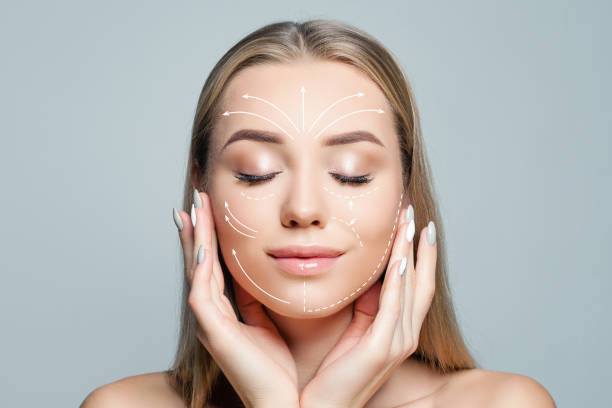
Facelift surgery has evolved significantly as surgeons have developed a deeper understanding of facial anatomy, tissue movement, and the natural aging process. Traditional and modern approaches can both address facial laxity, but they may differ in how tissues are managed and how treatment is planned. Understanding these approaches can help patients have a more informed consultation about Facelift Surgery in Riyadh (شد الوجه في الرياض).

What Is a Traditional Facelift?

A traditional facelift is a surgical procedure designed to address visible signs of aging across areas such as the cheeks, lower face, jawline, and sometimes the neck.

Addressing Excess Skin

The procedure may involve carefully repositioning facial tissues and managing excess skin. Incisions are planned around natural contours, commonly near the ears and hairline, depending on the patient's anatomy and surgical technique.

Treating Lower-Face Laxity

Traditional facelift surgery can be considered when patients have noticeable jowls, sagging cheeks, loose jawline skin, or more extensive lower-face aging.
The exact approach varies according to the degree of laxity and the patient's facial structure.

How Modern Facelift Approaches Differ

Modern facelift techniques generally recognize that facial aging involves more than loose skin alone. Changes can occur in deeper supporting tissues, fat distribution, skin elasticity, and facial volume.

Deeper Tissue Repositioning

Rather than relying solely on surface skin tightening, some modern techniques reposition or support deeper facial structures. This can help create a more balanced relationship between the cheeks, jawline, and lower face.

Individualized Surgical Planning

Modern facial rejuvenation focuses heavily on tailoring treatment to the patient's anatomy. The surgeon considers skin quality, tissue descent, facial proportions, and the areas that are actually contributing to an aged appearance.

SMAS Facelift Techniques

The superficial musculoaponeurotic system, or SMAS, is a connective and muscular tissue layer beneath the facial skin. Some facelift techniques involve repositioning or tightening this layer.
SMAS-based approaches can be adapted according to the patient's facial anatomy and the surgeon's assessment. The goal is generally to improve facial support while avoiding an overly tight appearance.

Deep-Plane Facelift Approaches

A deep-plane facelift works with deeper facial tissue planes and may allow certain facial structures to be repositioned together.
This approach may be considered for selected patients with particular patterns of cheek and lower-face aging. It requires detailed knowledge of facial anatomy and careful surgical planning.

Mini and Limited Facelift Approaches

Focused Treatment

A mini or limited facelift generally involves a more focused treatment area and may be considered for patients with less extensive facial laxity.
It can be used to address selected concerns around the lower cheeks, jowls, or jawline when a more comprehensive approach is not considered necessary.

Individual Suitability

A smaller procedure is not automatically appropriate for every patient. If there is significant skin or tissue laxity, a more comprehensive approach may be considered.

Traditional vs. Modern: What Should Patients Know?

The distinction between traditional and modern facelift surgery is not always absolute. Modern techniques may incorporate principles used in traditional surgery while adding approaches for deeper tissue repositioning and individualized facial contouring.
During Facelift Surgery in Riyadh, the surgeon may select or combine techniques according to the patient's anatomy rather than simply choosing a procedure based on whether it is labeled traditional or modern.

How Surgeons Plan the Procedure

Evaluating Facial Aging

The surgeon examines areas such as the cheeks, jawline, jowls, and neck to determine where tissue laxity is most noticeable.

Assessing Skin Elasticity

Skin quality affects how tissues respond to surgical repositioning and can influence the overall treatment plan.

Considering Facial Proportions

The relationship between the cheeks, chin, jawline, and neck is important when creating a balanced result. Treatment should account for the patient's existing facial characteristics.

Reviewing Medical History

Medications, supplements, previous surgeries, allergies, smoking or nicotine use, and general health should be discussed before surgery.

Recovery After Different Facelift Approaches

Recovery varies depending on the surgical technique, extent of treatment, and individual healing response. Swelling, bruising, tightness, tenderness, and temporary changes in sensation can occur after surgery.
A limited procedure may have different recovery requirements from a more extensive facelift, but patients should follow their surgeon's specific instructions regardless of the technique.
Follow-up appointments, incision care, activity restrictions, and gradual return to normal activities are important parts of recovery.

Which Approach May Be Appropriate?

There is no single facelift technique that is suitable for every patient. The appropriate approach depends on the location and degree of sagging, skin elasticity, facial anatomy, medical history, and desired improvement.
A consultation is therefore more useful than choosing a technique based solely on its name. Your surgeon can explain why a particular approach may be appropriate and what limitations should be expected.

Book Your Appointment at Royal Clinic Saudia

If you are considering Facelift Surgery in Riyadh, Royal Clinic Saudia ( عيادات رويال كلينك ) can help you explore traditional and modern facelift approaches during a personalized consultation. Your surgeon can evaluate your facial structure, discuss your concerns, and explain the technique that may suit your individual needs.

FAQs:

What is the main difference between traditional and modern facelift surgery?
Traditional approaches may focus on lifting and managing facial tissues and skin, while modern techniques may place greater emphasis on repositioning deeper supporting tissues and individualized facial anatomy.
Is a deep-plane facelift suitable for everyone?
No. Its suitability depends on facial anatomy, tissue laxity, health, and the surgeon's assessment.
Can modern facelift techniques improve the jawline?
They may improve jawline definition when sagging skin and descended facial tissues contribute to a less defined contour.
How do I choose the right facelift approach?
A qualified surgeon can assess your facial anatomy, skin quality, degree of laxity, medical history, and goals before recommending an appropriate approach.