San Francisco Rallies Around Transit Funding Measures to Avert 2027 Deficit as SB 79 Accelerates Housing Groundbreakings
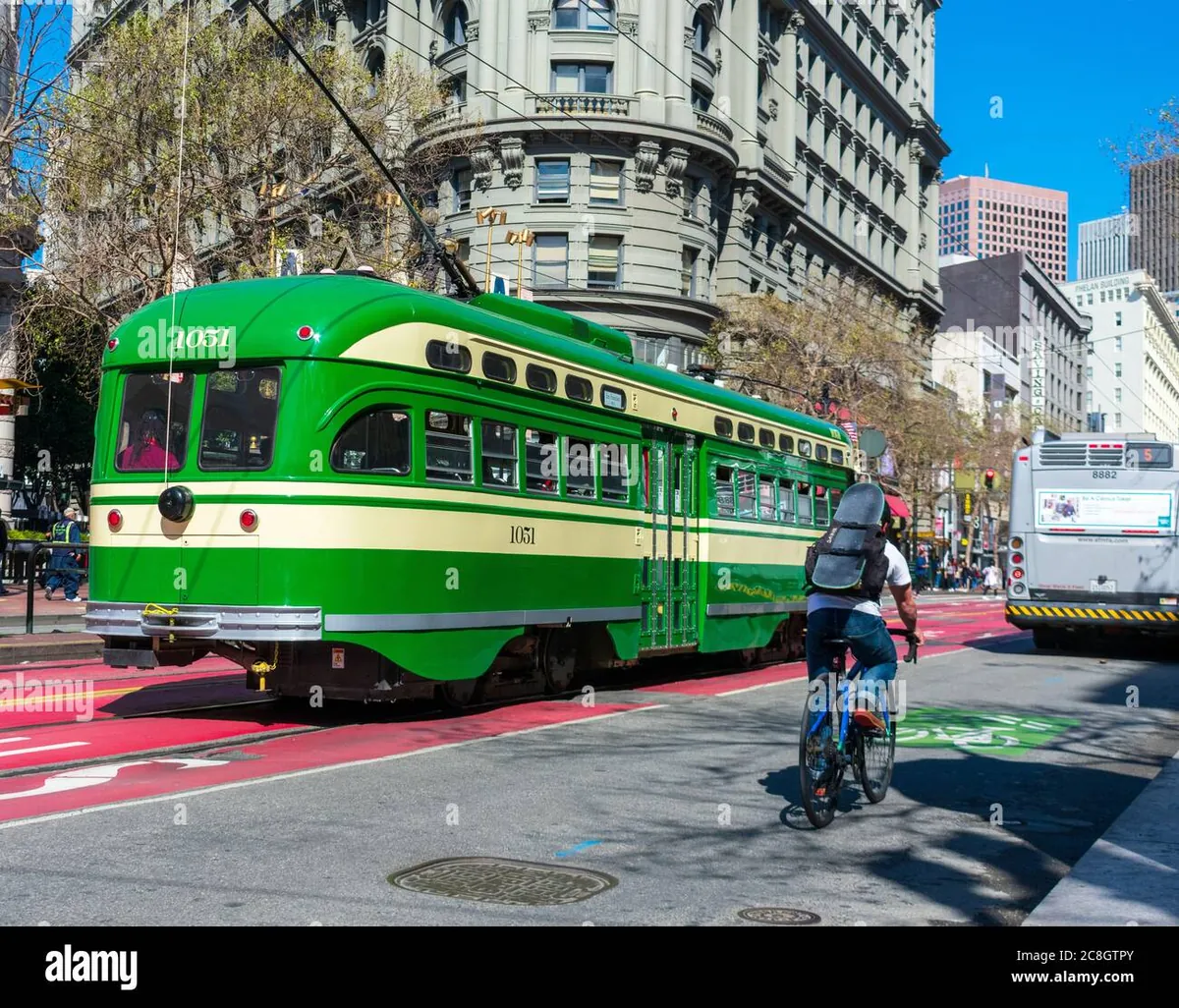
Regional Transit Coalition Mobilizes Around Prop H and Regional Sales Tax
SAN FRANCISCO, California — With Bay Area public transit agencies confronting a looming structural fiscal cliff, transit leaders, business associations, and labor unions convened in San Francisco in late September 2026 to campaign for crucial November ballot measures. Leadership from the San Francisco Municipal Transportation Agency (SFMTA) and BART warned that without dedicated revenue, transit operators face unprecedented service reductions starting in January 2027, including line cancellations and weekend service cutbacks.
Advocates highlighted the urgent necessity of passing local Proposition H (a dedicated 1 percent San Francisco sales tax package for Muni operating stability) alongside the four-county Regional Transit Measure (RTM). Economic analyses by urban think-tank SPUR revealed that failure to stabilize transit funding would double commute traffic congestion along the Bay Bridge and Caldecott Tunnel corridors.
State Senate Bill 79 Catalyzes High-Density Transit Groundbreakings
The high-stakes transit campaign coincides with rapid local adoption of California’s landmark Senate Bill 79 (SB 79), the 'Abundant and Affordable Homes Near Transit Act.' In San Francisco and surrounding rail nodes, developers and non-profit housing coalitions broke ground on thousands of transit-adjacent apartments, including major milestones at the 762-home West Oakland BART transit village.
The San Francisco Board of Supervisors complemented state reforms by enforcing reduced inclusionary development fees and streamlined environmental reviews for multi-family infill projects located within walking distance of high-capacity Muni Metro and BART stations.
Securing Northern California's Transit and Housing Lifeline
Urban planning scholars and environmental leaders emphasized that dependable public transit is the indispensable foundation of California’s climate and economic goals. By defending Muni and BART while aggressively building homes near transit stops, San Francisco is ensuring long-term metropolitan resilience.
📰 Related Stories
- San Francisco Advances Potrero Yard Modernization and BART Transit Housing to Expand Core Muni Capacity and Deliver Mixed-Income Communities San Francisco • Sep 30, 2026
- San Francisco Leaders Rally Behind Proposition H Transit Funding as Potrero Yard and 10 South Van Ness Advance San Francisco • Sep 29, 2026
- San Francisco Mobilizes for Crucial Transit Measures as Muni Ridership Reaches Half a Million Daily Passengers San Francisco • Sep 28, 2026
- VTA Celebrates Opening of 135-Home Tamien Station TOD as San Jose Advances 575 Homes on Stevens Creek Boulevard San Jose • Sep 29, 2026