Columbus Unveils LinkUS Transit Milestones with Line 30 and West Broad BRT as Mayor Ginther Proposes $2.8B Capital Plan
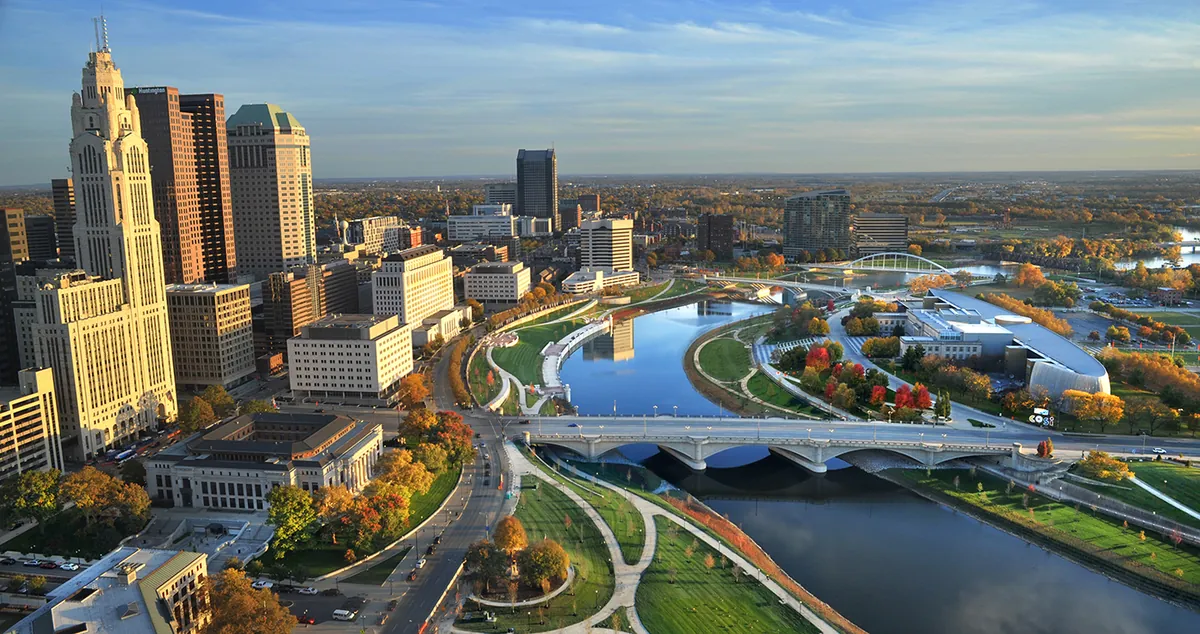
LinkUS Transit Initiative Reaches 90% Engineering on West Broad BRT
COLUMBUS, Ohio — Accelerating the transformation of Central Ohio's public transportation network, the Central Ohio Transit Authority (COTA) and the City of Columbus published the official September 2026 LinkUS Progress Report. The comprehensive update highlighted key system milestones, including the successful rollout of the high-frequency Line 30 service and the achievement of 90 percent engineering design completion on the flagship West Broad Street Bus Rapid Transit (BRT) corridor.
The West Broad BRT project—now preparing for final Small Starts Grant allocations from the Federal Transit Administration (FTA)—will deliver dedicated center-running transit lanes, off-board fare ticketing stations, and transit signal priority connecting downtown Columbus to western Franklin County. Simultaneously, design on the East Main Street BRT advanced to 90 percent, and the 6.4-mile Northwest BRT reached 30 percent engineering maturity.
Mayor Ginther Proposes $2.8 Billion Capital Budget with Affordable Housing Focus
Reinforcing the city’s physical and social infrastructure, Columbus Mayor Andrew J. Ginther transmitted a visionary $2.8 billion municipal capital budget to City Council in late September 2026. The capital blueprint provides substantial allocations for modern public safety facilities, roadway resurfacing, and strategic land acquisitions along LinkUS transit corridors.
The proposal directly aligns with City Council public hearings reviewing Columbus’s $500 million affordable housing bond strategy. By acquiring parcels adjacent to planned BRT stations, the city guarantees that attainable workforce apartments and civic green spaces are developed alongside rapid mass transit lines.
A Forward-Thinking Vision for Midwest Mobility
Regional business and civic leaders commended Columbus's coordinated growth strategy. By pairing multi-billion-dollar transit corridors with deliberate affordable housing preservation, Columbus continues to build a resilient, accessible, and competitive Midwest hub.
📰 Related Stories
- Columbus LinkUS Reaches 90% Design on West Broad BRT as City Council Evaluates Major Affordable Housing Bond Package Columbus • Sep 29, 2026
- Columbus LinkUS Advances West Broad BRT to 90% Design as City Council Evaluates Major Affordable Housing Bond Columbus • Sep 28, 2026
- Central Ohio LinkUS Issues September 2026 Progress Report Unveiling 90% BRT Designs and 10 Miles of Trails Alongside Intel Growth Columbus • Sep 27, 2026
- Columbus Secures $1 Million Settlement from Kia and Hyundai Over Vehicle Theft Vulnerabilities and Anti-Theft Failures Columbus • Sep 26, 2026