Common Questions About Liposuction in Riyadh Answered

R
Royal Clinic
Sep 30, 2026 Riyadh

Liposuction is a popular body-contouring procedure designed to remove localized fat deposits that may not respond easily to diet and exercise. If you are considering Liposuction in Riyadh (شفط الدهون في الرياض), understanding the procedure, candidacy, recovery, results, and safety considerations can help you prepare for an informed consultation.

What Is Liposuction?

Liposuction is a surgical technique used to remove excess fat from specific areas of the body. A surgeon typically uses a thin cannula to loosen and suction fat through small incisions. The procedure can be performed on areas such as the abdomen, waist, thighs, arms, back, hips, and selected areas under the chin.
Liposuction is primarily intended for body contouring rather than significant weight loss. The goal is to improve the shape and proportions of targeted areas while considering the patient's overall anatomy and skin elasticity.

Who Can Consider Liposuction?

Liposuction may be suitable for adults who are generally healthy, have relatively stable body weight, and have localized areas of fat that are resistant to lifestyle changes. Good skin elasticity can also help the treated area adapt to its new contour.
A consultation is important because suitability depends on individual factors. Medical history, medications, previous procedures, skin quality, fat distribution, and personal goals may all affect whether liposuction is appropriate.

Which Areas Can Liposuction Treat?

Liposuction can be used on several areas where localized fat is present. Common treatment areas include the abdomen, flanks, thighs, hips, arms, back, and sometimes the chin or neck.
Treatment areas are selected according to the patient's body structure and desired contour. In some cases, treating more than one connected area can help create smoother transitions and more balanced proportions.

Is Liposuction a Weight-Loss Treatment?

No. Liposuction should not be considered a substitute for weight-loss treatment. It is intended to reshape specific areas by removing localized subcutaneous fat.
People who are significantly overweight may be advised to focus on reaching a more stable weight before considering body-contouring surgery. Maintaining a stable weight afterward can also help preserve the results.

What Happens During the Procedure?

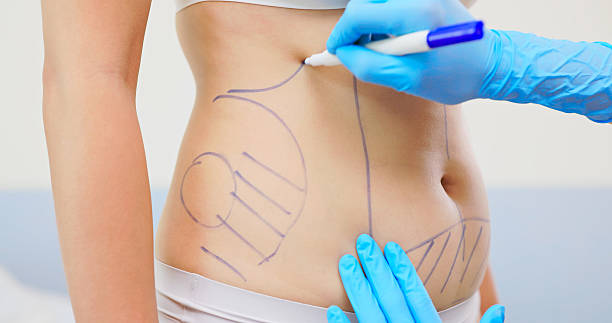
Before treatment, the surgeon evaluates the areas to be treated and discusses the surgical approach, anesthesia, expected results, and recovery. The treatment areas may be marked before the procedure begins.
During liposuction, small incisions are made and a cannula is carefully moved through the targeted fat layer to remove fat. The exact technique and treatment duration depend on the number and size of areas being treated and the patient's individual anatomy.

What Is Recovery Like After Liposuction?

Recovery varies from person to person. Swelling, bruising, tenderness, and temporary changes in sensation are common during the early healing period. Compression garments may be recommended to support the treated areas while they heal.
Light movement is often encouraged as recovery progresses, while strenuous exercise and other demanding activities may need to be restricted temporarily. Following the surgeon's aftercare instructions and attending follow-up appointments can support a smoother recovery.

When Will Liposuction Results Become Visible?

Some contour changes may be noticeable relatively early, but swelling can make the final appearance difficult to judge immediately after surgery. As the body heals and swelling gradually decreases, the treated areas generally become more defined.
The timeline varies depending on the extent of treatment, individual healing, and the areas treated. Patience during recovery is important because body contours can continue changing as healing progresses.

Can Liposuction Remove Fat Permanently?

Liposuction removes fat cells from the treated areas, but it does not prevent future weight gain. The remaining fat cells can increase in size if a person gains weight.
Maintaining a stable weight through balanced nutrition and regular physical activity can help support the contour achieved through Liposuction in Riyadh. Individual results can still change over time because of aging, weight fluctuations, and other factors.

Does Liposuction Leave Scars?

Liposuction requires small incisions, so some scarring can occur. The size and visibility of scars depend on factors such as incision placement, healing characteristics, skin type, and postoperative care.
Surgeons generally place incisions strategically where possible, but scar appearance varies between individuals. During consultation, you can ask about expected incision locations and scar care.

What Should You Ask During a Consultation?

A consultation is an opportunity to discuss your goals and understand whether liposuction fits your needs. Useful questions can include which areas can be treated, which technique may be appropriate, what type of anesthesia will be used, what recovery may involve, and what results are realistic for your anatomy.
You should also discuss your medical history, medications, allergies, smoking or nicotine use, previous surgeries, and any concerns about recovery. Clear communication helps your surgeon develop an individualized treatment plan.

Important Safety Considerations

Like any surgical procedure, liposuction carries potential risks. These may include infection, bleeding, fluid accumulation, changes in sensation, contour irregularities, anesthesia-related complications, and blood clots. The level of risk varies according to the procedure and individual health factors.
Choosing an appropriately qualified surgeon and an accredited medical facility, providing complete medical information, and following preoperative and postoperative instructions are important parts of safe care.

Book Your Appointment at Royal Clinic Saudia

If you are considering Liposuction in Riyadh, Royal Clinic Saudia ( عيادات رويال كلينك ) can provide a consultation to discuss your body-contouring goals, evaluate your suitability, and explain the treatment and recovery process based on your individual needs.

FAQs:

Is liposuction suitable for everyone?
No. Suitability depends on health, body weight, skin elasticity, fat distribution, and individual goals.
Can liposuction replace diet and exercise?
No. Liposuction is designed for localized fat reduction and body contouring, not general weight management.
How long does swelling last after liposuction?
Swelling gradually decreases during recovery, but the exact timeline varies depending on the treatment and individual healing.
Can treated areas gain fat again?
Yes. Remaining fat cells can enlarge with weight gain, so maintaining a stable weight can help support the results.