SEPTA Unveils 15-Minute Regional Rail 'Accelerate' Master Plan as Philadelphia Advances Station-Area TOD Zoning
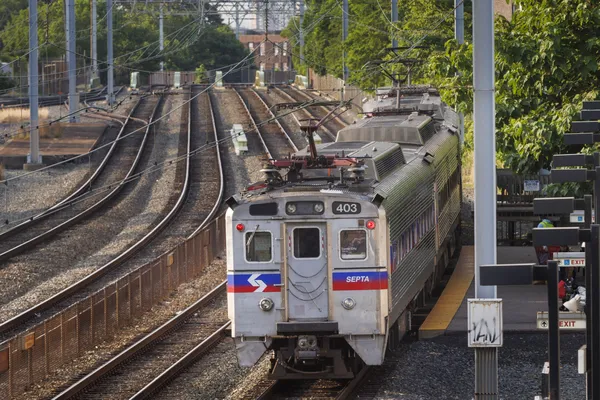
SEPTA Unveils Transformative 'Accelerate' Long-Term Transit Vision
PHILADELPHIA, Pennsylvania — Setting forth an ambitious strategic roadmap to reinvent regional public transportation, the Southeastern Pennsylvania Transportation Authority (SEPTA) officially unveiled its comprehensive 'Accelerate' vision in late September 2026. The transformative capital and service blueprint outlines a bold shift toward high-frequency, clock-face regional rail service, featuring 15-minute headways across core passenger trunk lines connecting Center City, University City, and suburban job centers.
The plan incorporates massive rolling stock modernizations, including the procurement of new subway cars for the Market-Frankford Line, state-of-the-art zero-emission electric buses, and accessible low-floor modern streetcars funded in part by a recent $80 million federal trolley modernization grant. SEPTA leadership emphasized that transforming commuter rail into a rapid, all-day regional transit spine is paramount to driving Pennsylvania’s regional economy.
Mayor Cherelle Parker and City Council Champion Transit-Oriented Density
Aligning municipal housing policy with regional transit infrastructure, Philadelphia Mayor Cherelle L. Parker and members of City Council advanced targeted Transit-Oriented Development (TOD) zoning legislation across key subway and rail station areas. The zoning reforms incentivize developers to build dense, mixed-income residential towers directly adjacent to SEPTA transit hubs by eliminating restrictive parking minimums and granting height bonuses for workforce housing.
The TOD strategy directly bolsters Mayor Parker’s signature Housing Opportunities Made Easy (H.O.M.E.) initiative, which recently celebrated reaching the halfway mark with more than 16,000 homes created or preserved across Philadelphia. Housing officials noted that clustering attainable housing near frequent transit lowers living costs for working families while generating vital farebox revenue for SEPTA.
Forging an Interconnected, Equitable Urban Ecosystem
Community organizers and urban planners praised the synchronized transit and housing push as a generational victory for Philadelphia. By integrating frequent rail transit with high-density affordable neighborhoods, the city is revitalizing historic commercial corridors while securing a greener, more accessible urban landscape.
📰 Related Stories
- Mayor Parker Reaches Halfway Mark with 16,000 Homes Under H.O.M.E. Plan as SEPTA Secures $80M Trolley Grant Philadelphia • Sep 29, 2026
- 76ers and Flyers Unveil Architectural Renderings for New 2030 South Philadelphia Arena at Historic Spectrum Site Philadelphia • Sep 28, 2026
- Philadelphia 76ers and Comcast Spectacor Unveil South Philly Arena Renderings as SEPTA Launches 'Accelerate' Transit Modernization Philadelphia • Sep 26, 2026
- Oklahoma City Progresses MAPS 4 17-Mile BRT Corridors as Dorset Place Supportive Housing Hits Milestone Oklahoma City • Sep 30, 2026