Chicago Introduces 12-Month Data Center Moratorium Ordinance as CTA Reports 27.9% Drop in Transit Crime
City Council Introduces 12-Month Moratorium on New Data Center Construction
CHICAGO, Illinois — Addressing growing concerns regarding municipal electric grid strain, excessive water consumption, and land-use conflicts, Chicago Mayor Brandon Johnson and several key City Council alderpersons introduced a landmark 12-Month Data Center Moratorium Ordinance in late September 2026. The legislation establishes a temporary one-year pause on new data center zoning approvals and building permits across the city.
The moratorium provides the city's newly formed Data Centers Task Force the necessary legislative runway to formulate a comprehensive regulatory framework. The forthcoming standards will mandate stringent energy-efficiency thresholds, closed-loop cooling systems to conserve municipal water resources, and community benefit agreements before hyperscale technological infrastructure can be sited in historic industrial corridors.
CTA Ridership Surges as Systemwide Transit Crime Drops 27.9%
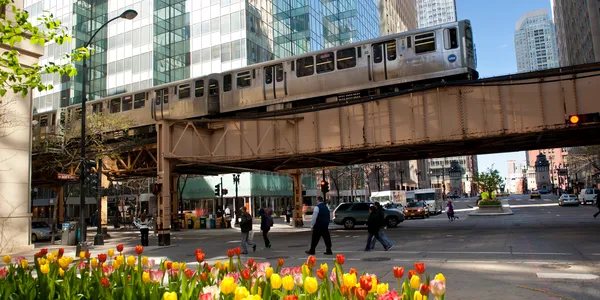
Concurrently, the Chicago Transit Authority (CTA) and the Chicago Police Department (CPD) released system safety metrics revealing an impressive 27.9 percent decrease in FBI index crimes across CTA rail lines and bus routes year-to-date in 2026 compared to the previous year. The pronounced safety gains reflect the CTA’s strategic transition toward deploying sworn law enforcement personnel and Cook County sheriff’s deputies across high-traffic rail stations and transfer hubs.
The enhanced visible security presence, combined with round-the-clock station monitoring and upgraded high-definition surveillance networks, has bolstered public confidence. Rail ridership across the Red, Blue, and Brown Lines has reached post-pandemic highs, supporting downtown Chicago’s retail, culinary, and cultural vitality.
Balancing Industrial Modernization with Public Transit Reliability
Municipal policymakers noted that Chicago’s future economic strength hinges on managing resource-intensive digital industries while reinforcing core civic lifelines like the CTA. By ensuring thoughtful environmental governance alongside safe, dependable transit corridors, Chicago continues to chart a sustainable path for urban modernization.
📰 Related Stories
- Chicago Advances Historic $5.7 Billion CTA Red Line Extension as Walsh-VINCI Joint Venture Drills Foundations for Four Far South Side Stations Chicago • Sep 30, 2026
- 29 Chicago Aldermen Form Budget Accountability Coalition Over FY 2027 Deficit as West Garfield Park Missing-Middle Housing Advances Chicago • Sep 29, 2026
- Chicago City Council Weighs Dueling Rental Reform Ordinances as Mayor Johnson Advances West Garfield Park Infill Housing Chicago • Sep 28, 2026
- Chicago Transit Authority Transitions to Reconfigured Regional Board Under NITA Act as City Manages FY 2026 Fiscal Operations Chicago • Sep 26, 2026