San Diego Navigates MTS Transit Deficit with Route Protections as SB 79 Accelerates Transit-Oriented Groundbreakings
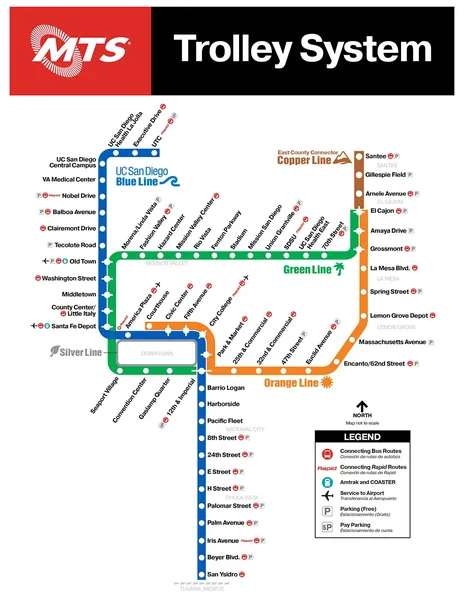
MTS Coordinates Fiscal Plan to Protect Core Bus and Trolley Corridors
SAN DIEGO, California — Confronting long-term regional transportation funding challenges, the San Diego Metropolitan Transit System (MTS) Board of Directors, chaired by San Diego City Councilmember Stephen Whitburn, convened comprehensive fiscal planning sessions in late September 2026. Facing projected operational deficits toward 2030, transit leadership mobilized to protect core trunk bus routes and frequency across the Blue, Orange, Green, and Copper Trolley lines.
MTS is coordinating closely with regional and state partners to identify sustainable operating revenues, modernizing fare-enforcement technology, and restructuring overhead costs to safeguard transit service for over 250,000 daily passengers across San Diego County.
State Senate Bill 79 Catalyzes Transit-Oriented Housing Groundbreakings
The regional dialogue surrounding transit stability coincides with aggressive local implementation of California's Senate Bill 79 (SB 79)—the landmark state law mandating high-density, low-parking residential development within walking distance of high-capacity transit stations. In San Diego, city planners and non-profit development partners celebrated groundbreakings on several transit-oriented communities, including the 'Spring View' affordable housing community developed jointly by MTS and Affirmed Housing.
San Diego Mayor Todd Gloria, currently serving as the 2026–2027 President of the U.S. Conference of Mayors, reaffirmed his administration’s commitment to building attainable homes directly along transit corridors. As Mayor Gloria prepares to embark on a national affordability tour, he highlighted San Diego’s pro-housing regulatory reforms as an exemplary model for American cities tackling the housing affordability crisis.
A Cohesive Model for California Urban Living
Regional planning experts stressed that protecting dependable public transit networks is intrinsically linked to solving California's housing deficit. By coordinating dedicated transit investments with transit-oriented housing, San Diego is creating walkable, vibrant neighborhoods that reduce automobile dependency and enhance quality of life.
📰 Related Stories
- San Diego MTS and Affirmed Housing Break Ground on $116M Spring View TOD as Airport Express Bus Expands San Diego • Sep 29, 2026
- SANDAG Accelerates Airport Transit Connection Procurement to Safeguard $350 Million in Dedicated Airline Funding San Diego • Sep 28, 2026
- SANDAG Transportation Committee Votes 6-2 to Accelerate San Diego Airport Transit Connection Toward 2029 Construction Goal San Diego • Sep 26, 2026
- San Francisco Rallies Around Transit Funding Measures to Avert 2027 Deficit as SB 79 Accelerates Housing Groundbreakings San Francisco • Sep 30, 2026