Houston City Council Approves $6 Million Loan for New Hope Housing Canal as $50M Regional Accord Finalized
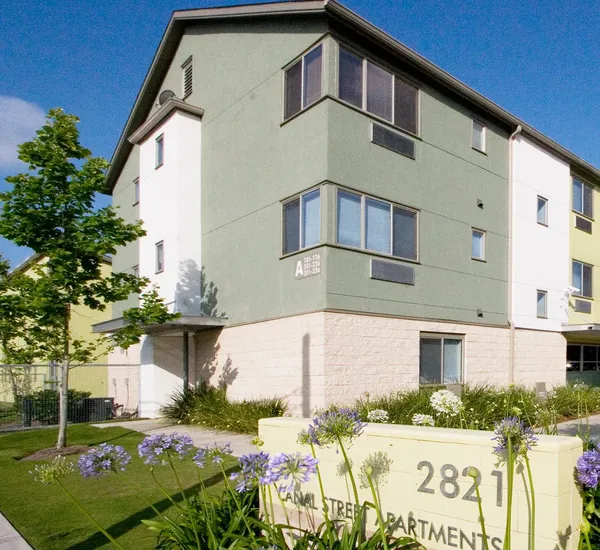
City Council Allocates $6 Million to Preserve 134 Affordable Homes in Second Ward
HOUSTON, Texas — Solidifying municipal efforts to preserve permanent supportive housing for vulnerable residents, the Houston City Council voted unanimously in late September 2026 to authorize a $6 million low-interest rehabilitation loan for the New Hope Housing Canal community located in Houston's historic Second Ward.
The funding will directly finance comprehensive structural, mechanical, and energy-efficiency overhauls across the 134-unit single-room occupancy development. New Hope Housing Canal has served as a national model for permanent supportive housing, offering formerly unhoused individuals and low-wage workers fully furnished homes, on-site social caseworkers, healthcare navigation, and workforce readiness counseling within walking distance of the METRORail Green Line.
Finalizing $50 Million Regional Partnership Accord with The Woodlands
In regional governance, Mayor John Whitmire and the City Council finalized the execution of a milestone regional participation agreement with The Woodlands Township. Under the terms of the accord, The Woodlands will contribute $50 million over three years directly into Houston's general capital improvement and public safety funds in exchange for a permanent municipal agreement ensuring Houston will never annex the master-planned Montgomery County community.
City budget analysts noted that the $50 million non-tax revenue infusion provides vital immediate capital to bolster Houston Police Department academy classes, repair aged neighborhood stormwater culverts, and resurface residential roadways across Harris County.
METRO Enhances On-Demand Transit and Microtransit Options
Complementing the housing and municipal agreements, the Metropolitan Transit Authority of Harris County (METRO) expanded service hours and vehicle fleets for its on-demand METROLift and Community Connector microtransit services. The enhancements offer flexible first-mile/last-mile suburban connections, linking residents directly to regional medical centers and employment corridors.
📰 Related Stories
- Eli Lilly Breaks Ground on $6.5 Billion Pharmaceutical Manufacturing Campus at Generation Park in Houston Houston • Sep 28, 2026
- Houston METRO Expands On-Demand Transit Services Across Harris County as Port Houston Greenlights Bayport Cold Storage Houston • Sep 28, 2026
- Eli Lilly Breaks Ground on $6.5 Billion Pharmaceutical Manufacturing Campus at Generation Park in Houston Houston • Sep 28, 2026
- Phoenix Launches 'Project EASE' On-Demand Microtransit Across Three Regions as Sky Harbor Modernizes Airfield Phoenix • Sep 29, 2026