Detroit Advances Housing for the Future Fund 2.0 as DDOT Deploys $30M Transit Reliability Upgrades
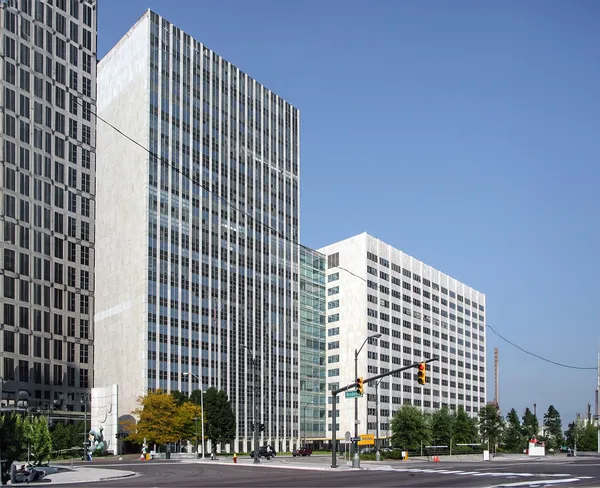
City Expands Detroit Housing for the Future Fund 2.0
DETROIT, Michigan — Advancing neighborhood revitalization and equitable community preservation, Mayor Mary Sheffield and the Detroit City Council approved targeted amendments to municipal HUD Action Plans in late September 2026, channeling critical public and philanthropic resources into the Detroit Housing for the Future Fund (DHFF) 2.0. The expanded second phase builds upon the initial fund's success, which financed nearly 1,000 units of affordable workforce housing across historic neighborhoods.
Reprogrammed federal and local capital specifically accelerates pre-development financing and architectural stabilization for multi-family residential developments, including the Linwood and Cabot apartment complexes. Municipal housing leaders emphasized that deploying low-cost subordinated debt alongside conventional financing shields long-term residents from escalating rents while rehabilitating long-vacant commercial corridors.
DDOT Deploys $30 Million in Service Improvements and Operator Wage Increases
On municipal roadways, the Detroit Department of Transportation (DDOT) rolled out sweeping fall service enhancements following extensive community feedback sessions. Backed by a $30 million transit allocation within Detroit's approved $3 billion FY 2026-2027 municipal budget, DDOT significantly increased starting pay for commercial bus operators, expanded fleet mechanic recruitment, and introduced automated maintenance diagnostics across regional terminals.
Transit riders on key trunk corridors—including Woodward Avenue, Gratiot Avenue, and Grand River—are experiencing reduced wait times, expanded early-morning and late-night frequency, and improved schedule adherence. Regional transit advocacy groups praised the fiscal commitment, affirming that dependable public buses are essential to connecting Detroit residents with employment centers and medical facilities.
Critical Home Repair and Lead-Safe Housing Windows Complete
Simultaneously, the city completed its September application window for the Critical Home Repair and Lead-Safe Housing Programs, processing thousands of applications from seniors and low-income homeowners seeking roof replacements, energy-efficient window upgrades, and structural weatherization.
Detroit leadership emphasized that uniting affordable housing preservation with robust public transit and direct homeowner assistance drives sustainable neighborhood stability across every Detroit zip code.
📰 Related Stories
- Detroit Celebrates Month of Design with Sustainable Innovation Forums as City Expands Health Screenings Detroit • Sep 26, 2026
- Study Finds Detroit ShotStoppers Cuts Gun Violence by 45% as City Opens $14M Preston Townhomes Detroit • Sep 26, 2026
- Detroit Police Surge Patrols Across Downtown Commercial Corridors as Chamber Highlights Cross-Border Trade Detroit • Sep 25, 2026
- Nashville Launches Gallatin Pike Safety Overhaul as Metro Advances $37M Affordable Housing Allocations Nashville • Sep 27, 2026