Philadelphia 76ers and Comcast Spectacor Unveil South Philly Arena Renderings as SEPTA Launches 'Accelerate' Transit Modernization
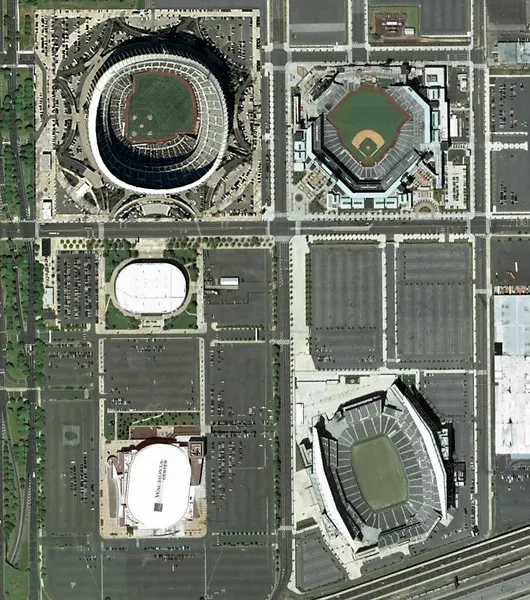
First Architectural Renderings Unveiled for South Philadelphia Arena
PHILADELPHIA, Pennsylvania — Marking a transformative moment in Philadelphia sports and entertainment development, the Philadelphia 76ers and Comcast Spectacor (parent company of the Philadelphia Flyers) unveiled the first exterior and concourse architectural renderings for their planned state-of-the-art multi-purpose arena at the South Philadelphia Sports Complex in late September 2026. The 100 percent privately financed venue is scheduled to open in 2030, rising on the historic grounds of the former Spectrum.
The architectural concepts showcase a striking glass-and-steel facade, activated outdoor public plazas, retail promenades, and elevated culinary terraces. In addition to serving as the permanent home for the 76ers and Flyers, the arena is designed to host a future WNBA expansion franchise and premier global concert tours.
Consolidating Philadelphia's Legendary Sports and Entertainment District
The joint stadium agreement unifies the region's major professional athletic franchises within a centralized, master-planned sports campus, resolving years of community debates regarding Center City urban commercial development. The plan integrates seamless pedestrian walkways directly linking the new arena with Citizens Bank Park and Lincoln Financial Field, establishing an interconnected fan destination unparalleled in North America.
Project planners highlighted that direct underground concourse connections to SEPTA’s NRG Station on the Broad Street Line will facilitate smooth, crowd-efficient mass transit ingress and egress on game days without disrupting downtown neighborhood traffic.
SEPTA Unveils 'Accelerate' Vision for Station Upgrades and Bus Redesign
Concurrently, the Southeastern Pennsylvania Transportation Authority (SEPTA) announced 'Accelerate,' an ambitious strategic modernization program aimed at overhauling regional transit infrastructure. The initiative prioritizes universal ADA accessibility retrofits across subway and trolley stations, introduces next-generation digital customer information screens, and upgrades power distribution substations.
The initiative aligns with the initial operational rollout of SEPTA's redesigned bus network, which introduces high-frequency grid routes across Center City, North Philadelphia, and West Philadelphia to deliver faster, more reliable connections for daily riders throughout the Delaware Valley.
📰 Related Stories
- Mayor Parker Launches $1 Million Curbside Appeal Facade Initiative Across 10 Philadelphia Neighborhood Blocks Philadelphia • Sep 26, 2026
- SEPTA Unveils Ambitious 'Accelerate' Master Plan Featuring 15-Minute Regional Rail and New Transit Fleets Philadelphia • Sep 25, 2026
- Philadelphia City Council Passes Resolution Urging Statewide Regulation on Automated License Plate Cameras Philadelphia • Sep 25, 2026
- SANDAG Transportation Committee Votes 6-2 to Accelerate San Diego Airport Transit Connection Toward 2029 Construction Goal San Diego • Sep 26, 2026