Governor Hochul and MTA Award $19.7 Million Design Contract for Metro-North Hudson Line Climate Resiliency Along Bronx-Hudson Corridor
Major Climate Resiliency Milestone Announced During NYC Climate Week
NEW YORK, New York — Coinciding with global environmental assemblies during Climate Week NYC, Governor Kathy Hochul and Metropolitan Transportation Authority (MTA) Chair and CEO Janno Lieber announced the formal awarding of a $19.7 million architectural and engineering design contract to fortify the Metro-North Railroad Hudson Line. The design contract, awarded to a joint venture of STV and WSP, initiates the preliminary design and environmental phase for a signature climate resilience undertaking along one of the busiest passenger rail corridors in the Northeast.
The project represents the cornerstone of an ambitious $800 million coastal resilience program outlined in the MTA's 2025–2029 Capital Plan, engineered to safeguard critical transit infrastructure against escalating sea level rise, cloudburst rainstorms, and tidal inundation.
Fortifying Vulnerable Shoreline Tracks Against Stormwater and Sea Surges
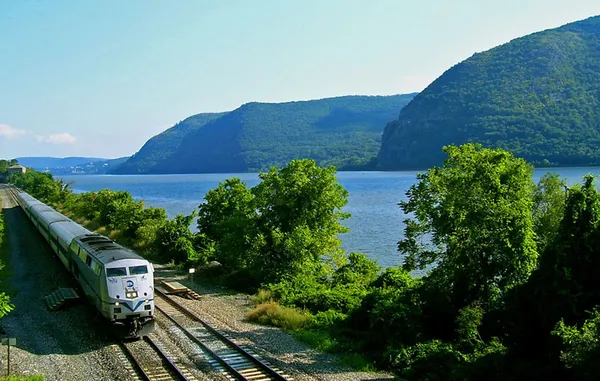
The initial design phase focuses intensively on a vulnerable nine-mile rail stretch extending from Spuyten Duyvil in the Bronx northward to Hastings-on-Hudson in Westchester County, within a broader 20-mile priority corridor reaching Croton-Harmon. Because Hudson Line tracks run directly along the water's edge, intense storm surges and high-velocity runoff from adjacent bluffs have repeatedly threatened track beds with coastal erosion and rockslides.
Planned engineering enhancements encompass heavy rock slope stabilization, reinforced retaining walls, expanded drainage culverts, and specialized shoreline living revetments. These measures will dramatically reduce the risk of track washouts during severe tropical systems and nor'easters, preserving continuous service across the Hudson Valley.
Protecting Regional Commuter Artery Under MTA Climate Resilience Roadmap
Transit planners noted that the initiative directly implements the MTA's comprehensive Climate Resilience Roadmap, which balances systemic carbon reduction with aggressive asset hardening. Major physical construction is scheduled to commence by 2029, following comprehensive environmental permitting and community engagement sessions.
MTA and state leadership emphasized that modernizing and hardening the Hudson Line ensures that tens of thousands of daily commuters connecting suburban communities with Grand Central Terminal in Midtown Manhattan can rely on punctual, weather-resilient mass transit for decades to come.
📰 Related Stories
- MTA Expands Second Avenue Subway Contracts as Manhattan Congestion Relief Program Generates $15 Billion Capital Transit Pipeline New York City • Sep 26, 2026
- Governor Hochul Declares State of Emergency for NYC as Coastal Nor'easter Prompts MTA Bridge Restrictions and Flood Safeguards New York City • Sep 26, 2026
- NYC Council Unveils Sweeping AI Governance Legislation with Whistleblower Protections and Algorithmic Audits New York City • Sep 25, 2026
- El Paso City Council Accelerates $316 Million Airport Capital Plan and Advanced Manufacturing District Expansion El Paso • Sep 27, 2026