NYC Council Unveils Sweeping AI Governance Legislation with Whistleblower Protections and Algorithmic Audits
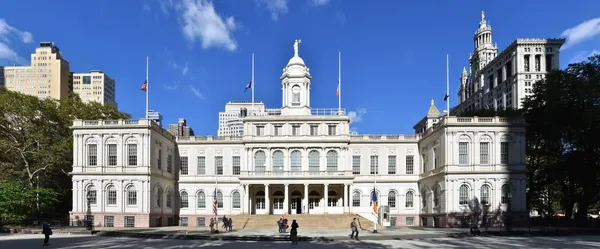
Comprehensive Municipal Guardrails for Artificial Intelligence
NEW YORK, New York — In a pioneering regulatory move for municipal technology oversight, the New York City Council officially unveiled a comprehensive legislative package on September 25, 2026, establishing rigorous statutory guardrails around artificial intelligence and automated decision systems utilized across municipal agencies and commercial hiring platforms. The proposed statutes create the nation's most stringent municipal accountability standards for algorithmic transparency, safeguarding civil liberties and preventing automated discrimination in public and commercial administration.
Central to the legislative slate is a pioneering whistleblower incentive program designed to protect and financially compensate tech employees who report undisclosed algorithmic bias, illicit automated surveillance, or fraudulent safety testing within systems deployed across the five boroughs. Lawmakers emphasized that internal disclosures are vital to identifying opaque algorithmic harms before they affect public benefits or employment opportunities.
Independent Algorithmic Audits and Citizen Legal Remedies
The legislation mandates standardized annual third-party bias audits for automated screening tools used in municipal civil service hiring, public housing tenant evaluations, and public education placement algorithms. Under the newly created framework, city agencies must publish impact assessments and technical performance metrics in a centralized public registry before deploying any high-stakes machine learning system.
Crucially, the package codifies an explicit private right-of-action, empowering residents who experience documented disparate impact or algorithmic discrimination to pursue civil remedies and injunctive relief in New York State Supreme Court. Full City Council committee hearings on the legislative package are slated to commence on October 5.
Balancing Digital Innovation with Civil Liberties
City Council leadership noted that as global technology firms expand their artificial intelligence research hubs across Manhattan, municipal government must guarantee that automation enhances urban efficiency without compromising civil rights or worker dignity. Digital rights advocates, labor organizations, and civil liberties coalitions expressed strong support for the measures, praising New York for setting a national standard in civic AI governance.
📰 Related Stories
- Governor Hochul and MTA Award $19.7 Million Design Contract for Metro-North Hudson Line Climate Resiliency Along Bronx-Hudson Corridor New York City • Sep 26, 2026
- MTA Expands Second Avenue Subway Contracts as Manhattan Congestion Relief Program Generates $15 Billion Capital Transit Pipeline New York City • Sep 26, 2026
- Governor Hochul Declares State of Emergency for NYC as Coastal Nor'easter Prompts MTA Bridge Restrictions and Flood Safeguards New York City • Sep 26, 2026
- NYC Issues Multi-Day Travel Advisory and Coastal Flood Watch Ahead of Autumn Nor'easter New York City • Sep 25, 2026