San Jose Planners Review 10 Major AI Data Center Projects as Council Strengthens ALPR Privacy Standards
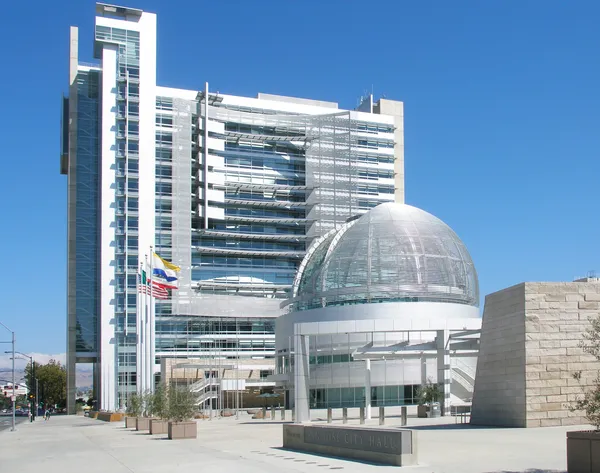
Scaling Computational Grid Infrastructure in Silicon Valley
SAN JOSE, California — The City of San Jose Planning Department has confirmed that 10 major commercial data center projects are currently undergoing comprehensive municipal and environmental review across the city, alongside three recently approved high-capacity facilities. The unprecedented surge in enterprise data center development reflects escalating compute, cooling, and power demands driven by Silicon Valley's rapid advancements in artificial intelligence models and enterprise cloud architecture.
Municipal utility analysts and energy specialists are working closely with developers and local utility providers to evaluate electrical grid loads, water consumption for advanced liquid-cooling mechanisms, and clean energy backup systems. City officials stressed that newly constructed data campuses must align with San Jose's Climate Smart sustainability targets, requiring developers to integrate microgrids, battery energy storage systems (BESS), and on-site solar generation.
Balancing Industrial Energy Demands with Municipal Governance
To ensure data centers provide equitable civic returns, the San Jose City Council is considering tailored infrastructure impact fees and green development incentives. Councilmembers noted that while data centers provide critical property tax revenues, the city must safeguard residential utility affordability and grid stability during peak summer heatwaves.
In parallel, the council addressed downtown commercial vitality by implementing a carefully phased adjustment to downtown parking rates, balancing municipal parking enterprise revenue needs with economic support for small business workers and nighttime restaurant visitors.
Heightened Safeguards for Automated Surveillance Technology
Simultaneously, municipal leaders advanced updated oversight protocols governing the San Jose Police Department's (SJPD) use of Automated License Plate Readers (ALPR). The newly refined standards mandate rigorous annual auditing, strict 30-day data retention ceilings for non-evidentiary scans, and explicit prohibitions against sharing license plate travel databases with outside agencies without verified criminal warrants.
Civic leaders affirmed that San Jose continues to pioneer the responsible intersection of cutting-edge technology, economic development, and robust civil privacy protections across Northern California.
📰 Related Stories
- San Jose Police Launch Investigation into Fatal Bicycle Hit-and-Run on East Capitol Expressway San Jose • Sep 25, 2026
- Muon Space Launches New Satellite Manufacturing Facility in San Jose San Jose • Jun 23, 2026
- San Jose Police Recover Stolen Vietnamese Memorial Statue San Jose • Jun 23, 2026
- Otay Mesa East Port of Entry Advances U.S.-Side Roadways as Caltrans and SANDAG Deploy Dynamic Tolling Tech San Diego • Sep 25, 2026