Houston METRO Accelerates 'MetroNow' Transit Plan with BOOST Corridor Upgrades and Tidwell Housing Hub
Pivoting Toward High-Frequency Core Network Reliability
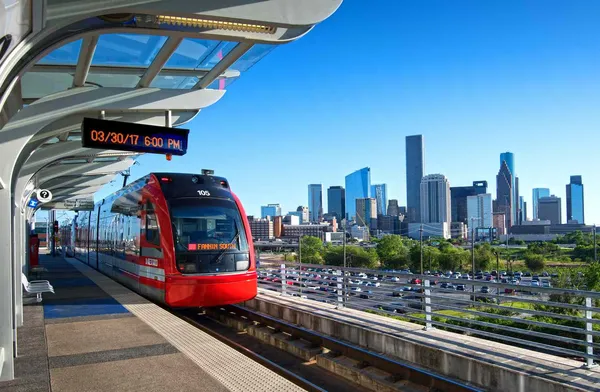
HOUSTON, Texas — The Metropolitan Transit Authority of Harris County (METRO) has accelerated capital delivery under its strategic 'MetroNow' infrastructure framework, prioritizing customer reliability, accessibility improvements, and high-frequency bus service across Greater Houston’s primary travel arteries. Following a multi-year recalibration of regional capital expenditures, METRO's fiscal program directs multi-million-dollar funding into its premier BOOST network, transforming high-ridership corridors into fast, dependable transit spines.
The BOOST improvements target key heavily patronized routes—including the 54 Scott, 56 Airline/Montrose, and 82 Westheimer corridors—which collectively serve tens of thousands of daily commuters. Upgrades along these alignments feature modernized passenger shelters equipped with solar-powered illumination, off-board digital arrival totems, universal level-boarding sidewalks, and intelligent Transit Signal Priority (TSP) sensors that coordinate with city traffic signals to minimize bus idling at congested arterial intersections.
Tidwell Transit Center and Equitable Transit-Oriented Housing
A central pillar of METRO's urban strategy is the advancement of comprehensive Transit-Oriented Development (TOD) at the Tidwell Transit Center in northeast Houston. Leveraging federal transit planning grants alongside municipal housing partnerships, the agency is master-planning a dense, mixed-income community hub integrating affordable workforce housing, community health facilities, and neighborhood-serving retail within immediate walking distance of transit platforms.
City of Houston planners and community stakeholders emphasized that the Tidwell project establishes a replicable standard for equitable urban renewal across the Eastex-Jensen corridor. By pairing dense, energy-efficient housing with reliable mass transit access, the development directly shields long-term working families from rising regional housing costs while expanding direct access to major employment centers in Downtown Houston and the Texas Medical Center.
Microtransit Expansion and Preparation for Global Events
To eliminate mobility gaps across historically underserved neighborhoods, METRO is also scaling its on-demand curb2curb microtransit services. Expanded zones across areas like Gulfton provide residents with flexible, app-dispatched and phone-booked point-to-point transit connections to regional transit centers for standard local bus fares, dramatically reducing reliance on personal vehicles.
Concurrently, transit crews have completed critical infrastructure rehabilitations, including the reopening of the upgraded pedestrian skybridge at the TMC Transit Center and system-wide street-level accessibility enhancements. With Houston preparing to host high-profile international matches during the 2026 FIFA World Cup at NRG Stadium, municipal leaders affirmed that the MetroNow enhancements ensure a resilient, clean, and accessible transit network equipped for both residents and visitors alike.
📰 Related Stories
- CenterPoint Energy Secures $700 Million in Bond Financing to Accelerate Houston Electrical Grid Hardening Houston • Sep 25, 2026
- Multi-Agency Law Enforcement Raid on West Hardy Road Yields Arrests and Weapons in North Houston Houston • Sep 25, 2026
- Harris County Judge Debate Postponed After Audio, Livestream Failures Houston • Sep 09, 2026
- FEMA Expands Federal Disaster Assistance Declaration to Marion County Following Severe Flooding Indianapolis • Sep 25, 2026