San Antonio Teen Heart Screenings Urged After Recent Student-Athlete Deaths
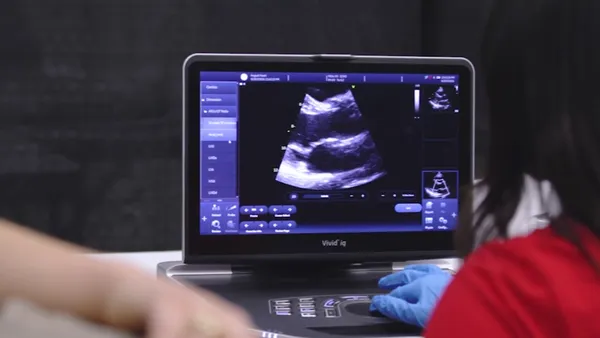
Foundation says hidden cardiac conditions can affect athletes and non-athletes alike
SAN ANTONIO, Texas — A San Antonio nonprofit is urging families to arrange teen heart screenings after recent deaths involving Texas high school football players renewed attention on cardiac conditions that may show no warning signs until a medical emergency occurs.
The appeal comes after Stevens High School football player Jaren Lawson died in February from a symptomless heart condition. This month, a Lake Travis player also died after suffering a medical emergency during practice; the cause of that death has not yet been determined.
The August Heart Foundation, which provides free cardiac screenings for teenagers in the San Antonio area, says early detection can identify serious conditions before they become fatal. The organization has conducted more than 104,000 electrocardiograms, or ECGs, over its 15-year history and has found nearly 450 children with symptomless, life-threatening heart conditions, according to founder Dore Koontz.
Koontz and her family created the foundation after the sudden death of her son, August, in 2008. He was 18. She described him as energetic, athletic and socially active, saying his family had no indication that he had an underlying heart problem.
August died from hypertrophic cardiomyopathy, a disorder in which the heart muscle becomes abnormally thick. Koontz said the condition can interfere with the heart’s electrical system and, in some cases, has no visible symptoms before sudden cardiac arrest.
“That’s the scariest thing about this whole situation,” Koontz said, noting that her son played sports and worked out regularly. “He was super active.”
Free ECG program relies on volunteer doctors
The foundation’s screening events are staffed by volunteer physicians and supported through community donations. Families do not pay for an ECG, and the organization helps connect participants with follow-up care when a screening identifies a possible concern, Koontz said.
At the foundation’s most recent screening, held during a back-to-school event at the Frost Bank Center, a child was flagged for what Koontz said she believed was Wolff-Parkinson-White syndrome. The heart-rhythm condition involves an additional electrical pathway in the heart and can cause episodes of unusually fast heartbeat.
For Koontz, finding even one potentially serious condition demonstrates why the events matter. “Just finding that one child was worth all of it,” she said.
The foundation’s message is aimed not only at student-athletes, who often receive sports physicals, but also at teenagers who do not participate in organized athletics. Koontz said those students may be less likely to receive cardiac testing despite facing the same possibility of an undetected condition.
August did not collapse during a game or workout, Koontz said. He died in his sleep — a fact she said underscores why sports participation should not be the deciding factor in whether a teen receives an ECG.
“We want everybody tested,” she said. “It’s not just athletes that get this screening. It’s girls, boys, and the school districts don’t require the non-athletic students to get it.”
Koontz said the screening takes less than five minutes, is painless and can lead to treatment that allows children with detected heart conditions to continue active lives. Schools or groups seeking to host an event can contact the foundation at info@augustheart.org or 210-267-2771. The foundation is also preparing for its main fundraising event in October, while its screening outreach continues.
📰 Related Stories
- San Antonio City Council and Bexar County Lock in Local Match Funding for VIA ART Green and Silver Rapid Lines San Antonio • Oct 24, 2026
- Ron Nirenberg and Patrick Von Dohlen Debate Property Tax Relief in Pivotal Bexar County Judge Election San Antonio • Oct 23, 2026
- San Antonio City Council Evaluates $442M May 2027 Bond Proposal as Zoning Commission Prepares Decisive Data Center Rules San Antonio • Oct 19, 2026
- Mayor Mike Johnston and Denver Council Reach $4.2M Budget Compromise to Restore 311 and Healthcare Funds Denver • Oct 24, 2026