Supreme Court Clears Procedural Hurdle for Trump Mail-In Voting Order in Washington
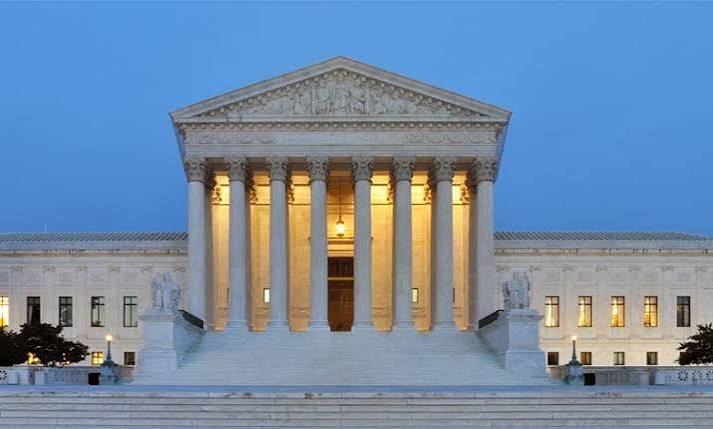
Justices do not decide whether the proposed mail-ballot restrictions are legal
WASHINGTON — The Supreme Court on Monday handed the Trump administration a procedural victory in its effort to restrict mail-in voting, ruling that Democratic-led states did not have the legal right to challenge President Donald Trump’s executive order at this stage. The decision does not settle whether the order itself is lawful, leaving the administration’s proposed election changes vulnerable to further court fights as the November midterm elections approach.
The unsigned order from the court’s conservative majority allows the federal government to pursue implementation steps tied to Trump’s March executive order. But the justices explicitly cautioned that their decision was limited to the states’ ability to bring the case and should not be read as approval of every action the government may take.
“The Court’s disposition of this application does not mean that any measure taken by the Government to implement the Order will necessarily be lawful,” the majority wrote. “On that score, time will tell.” The order is available through the U.S. Supreme Court.
The ruling arrives 10 days before North Carolina is scheduled to begin sending ballots to military and overseas voters, intensifying concern among election officials about whether major changes to mail-ballot procedures can be made without disrupting systems already being prepared for the fall vote.
More litigation expected before November elections
New York Attorney General Letitia James called the decision a “painful setback” and said it would not be the last word in the dispute. Democratic officials from 23 states and the District of Columbia originally sued to block the order, arguing that the Constitution assigns election administration primarily to states and Congress and that the proposal could invite confusion and partisan interference.
Justice Ketanji Brown Jackson, joined publicly by the court’s other liberal-leaning justices in dissent, criticized the standing ruling. She wrote that it allowed “another shoe drop in the Kafkaesque nightmare” created by court precedents for plaintiffs seeking to challenge election-related government actions.
A federal judge in Massachusetts had blocked the plan for the midterms in the states that filed suit, and an appeals court upheld that decision. The judge later issued a separate nationwide order halting the measure, creating another possible obstacle for the administration. Meanwhile, a federal judge in Washington allowed the executive order to proceed in a separate case, though that ruling also left open the prospect of lawsuits once particular policies are put into effect.
The Justice Department appealed on procedural grounds in late July, saying the states had acted too early because specific implementation measures had not been finalized. Federal lawyers argued that the Massachusetts injunction prevented the government from developing policies it described as election-integrity safeguards. A dozen Republican-leaning states backed the administration, saying states would have opportunities to provide input on any final voter lists.
Order targets voter lists and Postal Service delivery
Trump’s executive order calls for the administration to create lists of people eligible to vote and directs the U.S. Postal Service to deliver mail ballots only to voters appearing on those lists. The Postal Service outlined an approach to carrying out the order last week, but the practical scope of any changes before Election Day remains uncertain.
Trump has long criticized mail voting and has repeatedly claimed, without credible evidence, that it encourages fraud. He has also used mail voting himself. The president has tied his proposed changes to concerns about noncitizen voting, although such voting is rare, is already illegal and can carry severe criminal and immigration consequences.
Mail balloting has become a significant part of U.S. elections for voters across party lines. Federal data showed that roughly 30% of ballots in the 2024 presidential election were cast by mail. A 2025 Brookings Institution study found about four fraud cases for every 10 million mail ballots cast, underscoring the rarity of documented fraud in the system.
Legal experts expect the Supreme Court’s decision to trigger a rapid new round of lawsuits challenging specific federal actions rather than the executive order in the abstract. The administration may now begin moving forward, but the nationwide injunction and expected additional cases mean the final rules for mail-in voting remain unresolved.
📰 Related Stories
- Mayor Bowser Unveils Multi-Ward Housing Package Delivering 1,200 Units as D.C. Weighs Housing Investment Protection Act Washington • Oct 13, 2026
- Mayor Bowser Inaugurates $73M DC Infrastructure Academy at Spingarn as District Advances RFK Transit Master Plan Washington • Oct 06, 2026
- Mayor Bowser Transmits 180-Acre RFK Master Plan to D.C. Council as WMATA Plans Stadium-Armory Overhaul Washington • Oct 05, 2026
- Jacksonville Advances Landmark Free to Garden Act as Shore Manufacturing Secures $65K Westside Expansion Grant Jacksonville • Oct 13, 2026