Hawk Fire forces evacuations across Reno as blaze reaches 13,000 acres
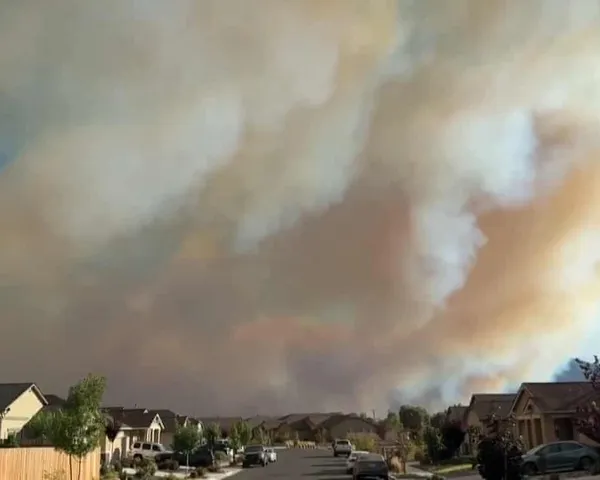
Wind-driven Hawk Fire threatens neighborhoods and disrupts life across Reno
RENO, Nevada — The fast-moving Hawk Fire pushed from the Sierra foothills toward central Reno early Sunday, Aug. 23, forcing evacuation orders and warnings affecting about 90,000 people as flames spread across Peavine Mountain and the surrounding Humboldt-Toiyabe National Forest.
Officials said the fire had grown beyond 13,000 acres by Sunday morning and remained 0% contained. Its behavior was being shaped by shifting winds, low humidity and dry vegetation, conditions that allowed the blaze to change direction and rapidly threaten residential areas on the Nevada side of the California border.
A mandatory “GO NOW” evacuation zone covered approximately 42,000 residents and expanded to the edge of the University of Nevada, Reno campus. Another 45,000 people were under an evacuation warning and were urged to leave early if possible, both for their safety and to keep roads open for emergency crews.
At least six people were injured, including three responders, authorities said Sunday. Officials did not immediately provide details on the severity of the injuries. Some homes in the Peavine Mountain area have been destroyed, while firefighters continued working to defend homes and businesses surrounding the fire zone.
Emergency declaration brings National Guard support
Nevada Gov. Joe Lombardo declared a state of emergency in Washoe County and activated the Nevada National Guard. The deployment included two helicopter crews to assist aerial firefighting operations and 60 troops assigned to help law enforcement protect evacuated neighborhoods.
“This is an active and rapidly evolving situation,” Lombardo said in a statement, urging residents in affected areas to follow local evacuation directions. The governor said state agencies were working with local authorities and first responders to protect lives and communities.
Richard Edwards, chief of Truckee Meadows Fire & Rescue, said the Hawk Fire had become an especially difficult incident because of the wind. Wind-driven fires can move quickly through the wildland-urban interface, giving firefighters little time to protect homes as flames approach developed areas.
“The wind-driven fires move very rapidly into our residential areas,” Edwards said in a video statement, describing the challenge of saving structures while protecting residents and firefighters.
Power outages, school closures and road restrictions reported
Nearly 10,000 homes and businesses in Washoe County were without electricity Sunday, while sections of U.S. Route 395 were closed because of the fire. The highway is a major north-south route through the Reno area, and closures added to concerns about congestion during evacuations.
The Washoe County School District said classes would be canceled Monday at all but one school. District officials cited evacuations, the strain on regional public-safety resources and the need to keep streets clear for emergency vehicles.
The Reno-Sparks Convention Center was opened as an evacuation shelter, though emergency officials said pets could not be brought there. Separate locations were arranged for small and large animals. Northern Nevada Health System said Northwest Specialty Hospital in Washoe County had evacuated its patients as a precaution.
Commercial flights at Reno-Tahoe International Airport were operating Sunday because the airport was outside the evacuation zone. Reno-Stead Airport, however, was closed to general aviation traffic while remaining available for firefighting aircraft.
The Hawk Fire follows a series of wildfires north of Reno earlier this month that forced more than 13,000 residents from their homes, underscoring the danger posed by hot, dry and windy conditions in northern Nevada. Authorities believe the Hawk Fire was caused by human activity, but the investigation remains ongoing as crews continue fighting the uncontained blaze.
📰 Related Stories
- Hawk Fire Near Reno Burns 15,067 Acres as 9,000 Residents Return Home Reno • Aug 26, 2026
- Hawk Fire in Reno, Nevada, Destroys Dozens of Homes and Forces 45,000 Evacuations Reno • Aug 25, 2026
- Hawk Fire Near Reno Prompts Evacuation Warning for 90,000 Residents Reno • Aug 24, 2026
- Mayor Paul Young Orders 90-Day Study on Data Center Safeguards as MATA Rolls Out Clean Transit Buses Memphis • Oct 13, 2026