Corpus Christi Animal Adoptions Strained by Texas Screwworm Restrictions
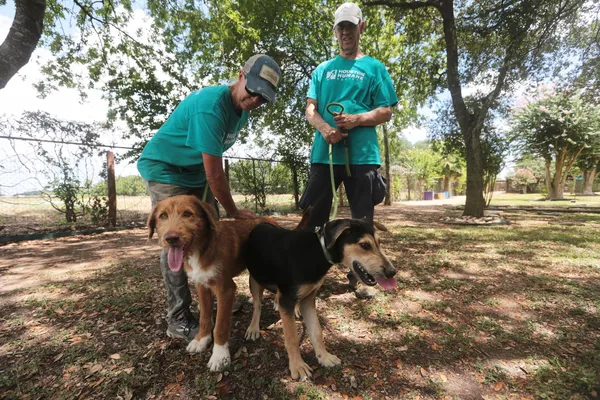
Interstate pet rules add pressure to Texas shelters
CORPUS CHRISTI, Texas — Animal adoptions and interstate rescue transports have been disrupted in Corpus Christi and across Texas after states imposed new restrictions intended to prevent the spread of the New World screwworm, a flesh-eating parasite recently detected in the United States for the first time in six decades.
The limits have created a capacity problem for shelters that routinely send dogs and cats from Texas to adopters and rescue partners in other regions. In Corpus Christi, the Gulf Coast Humane Society was unable to place rescued dogs in New York for several weeks, pushing its animal population from roughly 325 to nearly 450 animals.
The New World screwworm fly can lay eggs in wounds or mucous membranes of mammals. Its larvae feed on living tissue, making the parasite a threat to livestock, wildlife, pets and people. Federal officials have taken steps to limit its spread after cases emerged in southern Texas and southeastern New Mexico, including infections reported in several dogs.
Transport network is critical for Texas animals
Texas shelters depend heavily on out-of-state transfers because the state has a large population of stray and abandoned animals. The Gulf Coast Humane Society sends about 500 dogs outside Texas each year. During the New York suspension, the Corpus Christi shelter created additional space in outdoor exercise areas while awaiting revised entry rules.
New York has since allowed dogs from Texas to enter when a veterinarian certifies they are free of screwworm infection. Other states have adopted similar inspection requirements, though some have reduced the validity of health certifications from the customary 30 days to as little as three days.
Mia Bendixsen, executive director of the Texas Humane Legislation Network, said the restrictions have complicated operations for both small rescue organizations and larger shelters. The immediate concern is space: when private shelters cannot accept animals from municipal facilities, those government-run shelters may face increased euthanasia pressure.
The stakes are particularly high in Texas. Data from the American Society for the Prevention of Cruelty to Animals show that Texas transferred nearly 89,000 unadopted dogs out of its shelters in 2025, more than any other state. It also euthanized about 45,000 dogs. Nearly 53,000 cats were transferred out of Texas shelters, while almost 29,000 were euthanized.
Shelter crowding affects animals and adopters
In Houston, Humane Society shelter director Aaron Grady said dogs can become more stressed when shelters cannot move animals to partner organizations outside the state. Stress can also affect adoption prospects, he said, as visitors may be drawn to a calm animal over one barking or reacting anxiously in a crowded kennel.
The Houston shelter has sought to keep its onsite population near 200 animals by relying on foster homes that can care for up to 300 more. Staff have also asked some owners to keep their pets temporarily when possible, an approach increasingly used by shelters coping with rising costs and limited kennel space.
Veterinarians and animal welfare advocates say Texas' size, warm climate and persistent gaps in spaying and neutering contribute to its high stray-animal population. Lori Teller, executive director of the Texas Veterinary Medical Association, said some owners of ranch and farm dogs are reluctant to sterilize their animals because they believe it could reduce their working drive.
Federal response targets the parasite
The restrictions followed broader efforts by the U.S. Department of Agriculture to stop the screwworm from spreading north. The agency is building a $750 million sterile-fly production facility in southern Texas, scheduled to open in April 2027. The strategy mirrors the eradication campaign that largely eliminated the pest from the United States by the early 1970s.
For now, Texas shelters are continuing to work with veterinarians, foster families and receiving organizations to meet changing transport rules. The restrictions remain in place in many states, and animal welfare groups say overcrowding and euthanasia risks will persist while interstate placements are limited.
📰 Related Stories
- Rising Water Levels in Choke Canyon and Lake Corpus Christi Offer Hope Amid Drought Corpus Christi • Jul 25, 2026
- Dallas Surrogacy Custody Fight Continues as Newborn Rumi Remains Critical Dallas • Aug 19, 2026
- ZZ Top Drummer Frank Beard Dies at 77 in Richmond, Texas Richmond • Aug 19, 2026
- Hayden Panettiere Death: Greenville Police Report Names Brian Hickerson at Apartment Greenville • Aug 19, 2026