Lake Mead Faces Historic Low Water Levels Amid Escalating Water Crisis
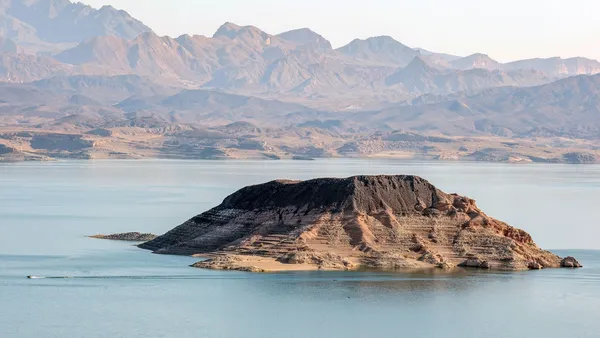
Lake Mead's Declining Water Levels Highlight Growing Concerns
As of October 2023, Lake Mead, a critical water supply for millions in the American Southwest, is nearing its lowest recorded water levels. This alarming trend underscores the severity of the ongoing water crisis impacting the region.
Current assessments reveal that the lake is hovering around 27% capacity, significantly below the levels recorded just a decade ago. The historically low levels have raised concerns not only about the water supply but also about the ecological balance and long-term sustainability of the area. Officials from the U.S. Bureau of Reclamation have expressed that if the downward trend continues, the dam responsible for much of the region's water distribution could face operational challenges.
Impacts of the Water Shortage
The implications of Lake Mead's declining water levels are far-reaching. The lake serves about 25 million people across several states, including Nevada, Arizona, and California, making it one of the vital sources of freshwater in the western United States of America. Farmers, municipalities, and environmentalists are all feeling the effects, with reports indicating reduced water allocations and increased restrictions on water use.
Experts warn that the crisis is exacerbated by ongoing climate change, which has led to prolonged drought conditions across the region. According to Drought Monitor reports, much of the surrounding areas are experiencing severe drought, which poses an additional challenge to replenishing the dwindling water reserves.
Government Responses to the Crisis
In response to the water crisis, local and federal agencies are exploring measures to mitigate the impact of the low water levels. These initiatives include water conservation mandates and investments in infrastructure improvements for more efficient water distribution. Additionally, stakeholders are negotiating agreements aimed at sharing the limited water resources more equitably among states and sectors.
Despite these efforts, the road ahead remains difficult. Water resource management experts emphasize the necessity of collaborative efforts between states to establish sustainable practices and encourage conservation among residents and industries. The unfolding situation at Lake Mead not only highlights the urgency of addressing water scarcity but also reflects a larger pattern affecting natural resources across the Western U.S.
Current Status and Outlook
As the situation develops, the U.S. Bureau of Reclamation continues to monitor water levels closely, and officials remain optimistic about the potential for positive change through conservation and collaborative water management. However, if current trends persist without significant precipitation in the coming months, Lake Mead could see even lower capacity levels next year, prompting further restrictions and ongoing public awareness efforts regarding the critical importance of water conservation.
The situation at Lake Mead remains under continuous review, and further announcements from federal and state officials are expected as the crisis evolves.
📰 Related Stories
- Las Vegas RTC Advances Maryland Parkway 'Red Line' BRT Infrastructure as Gholson Landing Affordable Housing Debuts Las Vegas • Sep 28, 2026
- RTC Advances $378 Million Maryland Parkway BRT 'Red Line' as Las Vegas Housing Market Stabilizes Las Vegas • Sep 27, 2026
- Nevada Regulators Review Autonomous Safety Protocols Following Strip Incident as Major Stadium Concerts Draw Thousands Las Vegas • Sep 26, 2026
- Hawk Fire Near Reno Burns 15,067 Acres as 9,000 Residents Return Home Reno • Aug 26, 2026