Voter Turnout Revealed as Six States Hold Crucial Primaries on Tuesday
Significant Primaries Across Six States
On Tuesday, voters across six U.S. states—**Alabama**, **Connecticut**, **Minnesota**, **South Carolina**, **Vermont**, and **Wisconsin**—are participating in crucial primary elections that could significantly shape party dynamics ahead of the general election. This assembly of state contests features heated races, particularly within the Democratic and Republican parties, spotlighting candidates that appeal to varying factions within their platforms.
Democratic Battles in Minnesota and Wisconsin
In **Minnesota**, the Democratic primary for U.S. Senate is a showdown between moderate **Rep. Angie Craig** and progressive **Lt. Gov. Peggy Flanagan**. Craig, solidly rooted in party establishment support, contrasts sharply with Flanagan, who boasts backing from prominent progressives, including **Sen. Bernie Sanders**. This primary symbolizes the ongoing tensions between moderate and progressive factions within the Democratic Party.
Wisconsin's gubernatorial Democratic primary is equally contentious, featuring **Francesca Hong**, the democratic socialist challenger, against established politician **David Crowley**. Voter sentiment appears split, as both factions rally their bases for support. Republican voters, conversely, have rallied around **Tom Tiffany**, who notably secured an endorsement from former President **Donald Trump**.
Local Contextual Dynamics
In Wisconsin's town of Hudson, Cody Chandler, a young voter, expressed excitement for Hong's progressive platform, stating, “She feels like one of us,” highlighting a shift towards grassroots engagement. Conversely, Linda Biles, a Republican in a predominantly rural area, opined that Hong's democratic socialist brand could polarize voters. “Just the word ‘socialism’ is turning off Republicans,” Biles remarked, favoring Crowley as a safer choice against Republican incumbent **Tom Tiffany**.
Republican Showdowns in South Carolina
In **South Carolina**, an urgent special primary takes place to choose a candidate to replace the late **Sen. Lindsey Graham**. The race has become widely competitive, with **Darline Graham**, Lindsey's sister and previously appointed interim senator, gaining Trump’s endorsement, despite her political inexperience. Both congressional representatives and former political figures have entered, making this a highly watched contest.
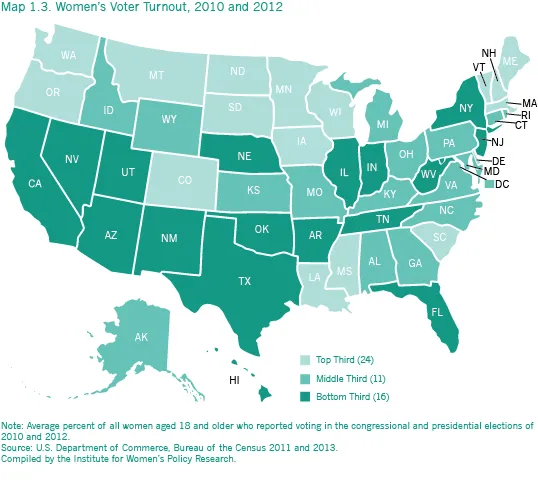
Voter turnout in South Carolina remains a critical focus, especially with the polls opening at 7 a.m. and closing at 7 p.m. local time. With necessary adjustments in polling locations due to school starting, the turnout from previous primaries has raised concerns among party officials about voter engagement.
Competitive Environment in Connecticut and Alabama
**Connecticut** is also seeing a fight for the Democratic nomination with **Gov. Ned Lamont** facing off against younger challenger **Josh Elliott**, marking a clash between longstanding establishment interests and a newer generation of Democratic leaders.
In **Alabama**, the special primaries will serve as a litmus test for voting engagement in the newly redrawn congressional districts, following the Supreme Court's ruling that allowed changes to the congressional maps. Historically low turnout is predicted, further complicating the dynamics in these races.
What Lies Ahead
As election day proceeds, these primaries set the scene for heightened political battles in the lead-up to the general election. With the investigations and ramifications of various endorsements, notably Trump's influence in the South and his legacy affects candidates in pivotal battleground states, the results will undoubtedly reverberate throughout the political landscape.
Currently, polling is ongoing, and the outcomes are highly anticipated given the charged atmosphere of these contests. Political analysts continue to monitor voter engagement and sentiment across all six states as they await the results of these crucial electoral events.
📰 Related Stories
- Mayor Bowser Delivers Final 180-Acre RFK Campus Master Plan to D.C. Council Featuring 6,500 Homes, Stadium, and Gold Line BRT Washington • Sep 28, 2026
- Mayor Bowser Transmits 180-Acre RFK Campus Master Plan to D.C. Council Featuring 6,500 Homes and Commanders Stadium Washington • Sep 27, 2026
- High-Level Bilateral Talks Conclude at White House as D.C. Assesses Federal Workforce Economic Metrics Washington • Sep 26, 2026
- San Antonio International Airport Lands Record $43 Million Federal Grant for Airfield and Terminal C Expansion San Antonio • Sep 29, 2026