Shreveport Mass Shooting Sparks Calls for Tighter Domestic Violence and Gun Laws in Louisiana
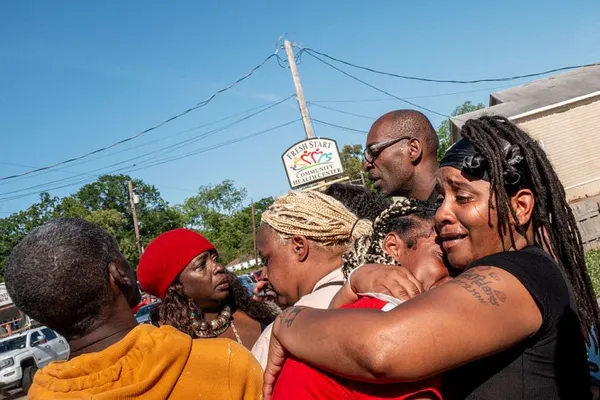
On Sunday in Shreveport, Louisiana, a man fatally shot eight children—seven of whom were his own—before seriously injuring two women, prompting renewed scrutiny of both domestic violence prevention and gun regulations in the state. Authorities confirmed the incident represents the deadliest mass shooting in the United States in more than two years, and officials described it as among the worst tragedies in Shreveport’s history.
Police reported that both women wounded in the attack are mothers of the children; one is the shooter’s wife. According to a neighbor, the couple had been in conflict over a planned separation prior to the shooting. Local officials and advocacy groups have pointed to the case as a tragic example of the link between domestic violence and firearm fatalities, highlighting long-standing risks for women and children when guns are present at home.
In the aftermath, experts and advocates are urging state and federal policymakers to address loopholes in legislation that leave survivors vulnerable. Sam Levy, policy advocacy director at Everytown for Gun Safety, emphasized that firearm access dramatically increases the lethality of domestic violence situations. Recent data from multiple organizations indicate that guns are now the leading cause of death for American children and teenagers.
Despite Louisiana passing some measures banning convicted domestic abusers from possessing firearms, gaps remain. The state does not require all gun sellers to be licensed, meaning background checks are not universally conducted on purchasers. In this case, the gunman had no previous domestic abuse convictions and a prior weapons charge did not prevent him from legally accessing firearms. Additionally, Louisiana lacks an "extreme risk" or "red flag" law allowing courts to temporarily remove firearms from individuals deemed a threat.
Community leaders called for the domestic violence crisis to become a top priority for the city’s administration and law enforcement. Advocacy groups stressed that the consequences of policy gaps disproportionately affect women of color, with Black women and children at notably higher risk.
As investigators continue to piece together the events surrounding the shooting, calls persist for comprehensive reforms to prevent similar tragedies in the future.
📰 Related Stories
- Shreveport Community Gathers for Funeral of Eight Children Killed in Mass Shooting Shreveport • May 10, 2026
- Man Faces Federal Charges After Weapon Used in Shreveport Mass Shooting Was Stolen from His Truck Shreveport • Apr 22, 2026
- Federal Charges Filed After Assault Rifle Used in Deadly Shreveport Shooting Was Stolen from Truck Shreveport • Apr 22, 2026
- Shreveport Preschool Community Grieves After Deadly Family Shooting Shreveport • Apr 21, 2026