Survivors Challenge Pentagon Narrative After Deadly Iranian Drone Strike in Kuwait
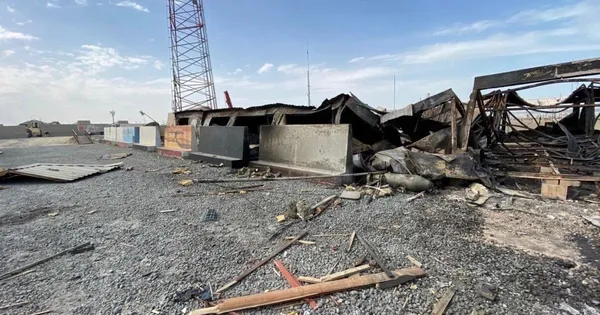
Six U.S. service members were killed and more than 20 wounded on March 1, 2026, when an Iranian drone struck a U.S. military facility at the Port of Shuaiba, near Kuwait City. Survivors of the attack have publicly disputed the Pentagon's description of the incident, raising concerns about the facility's preparedness and security measures.
For the first time since the strike, several members of the Army's 103rd Sustainment Command who were present at the facility described the assault’s aftermath and the conditions leading up to it. Speaking under anonymity due to military restrictions, the survivors told of chaotic scenes following the detonation. According to their accounts, the drone impacted a workspace constructed from wood and tin, leaving multiple troops with severe head wounds, shrapnel injuries, and hearing damage amid heavy smoke and debris.
The Defense Department previously described the incident as a rare event where a drone managed to bypass extensive fortifications. However, the soldiers interviewed contradicted this account, stating that the facility was not a hardened position and offered little protection against aerial attacks. They explained that only thin vertical blast barricades and basic T-wall barriers were in place—features designed for past conflicts rather than modern drone threats. “From a drone defense capability…none,” commented one survivor, emphasizing their exposure.
According to the soldiers, most of the American contingent in Kuwait had been redeployed to Jordan and Saudi Arabia in the week prior, leaving a smaller force to manage operational logistics at Shuaiba. Internal intelligence reportedly indicated the site was a potential Iranian target, yet the unit remained within missile and drone range with minimal overhead protection. Survivors described self-organized rescue efforts, bandaging wounds and evacuating casualties to nearby hospitals in Fahaheel using civilian vehicles.
The Pentagon declined to comment on the specific allegations, citing an ongoing investigation. Assistant Secretary of Defense Sean Parnell stated that “every possible measure has been taken to safeguard our troops” and maintained that the facility was protected by six-foot walls.
As the U.S. investigation continues, the survivors have stressed the need for honest conversation about vulnerabilities as drone warfare increasingly shapes the modern battlefield. The current status of the investigation remains ongoing.
📰 Related Stories
- Husband of Sgt. 1st Class Nicole Amor Reflects After Kuwait Drone Attack Kuwait City • Mar 25, 2026
- U.S. Military Casualties From Iranian Drone Strike in Kuwait Far More Extensive Than Initially Disclosed Kuwait City • Mar 12, 2026