Israeli Airstrikes Kill Hundreds in Lebanon Amid Regional Ceasefire Efforts
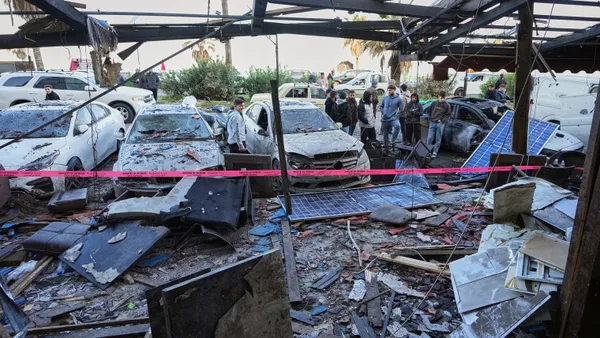
Israel's military carried out a series of powerful airstrikes across Lebanon on Wednesday, targeting locations in Beirut, southern Lebanon, and the Bekaa Valley. The attacks, described by Israel as their most intense on Lebanon to date, resulted in widespread casualties and destruction. Lebanese civil defense authorities reported that more than 250 people were killed in the strikes, which also triggered mass evacuations from affected areas.
The strikes occurred just hours after a regional ceasefire agreement between Iran, the United States, and Israel took effect, though Lebanese militant group Hezbollah stated it had halted fire on northern Israel in response. Verified images and video from Beirut captured large columns of smoke rising above the city and rescuers searching for victims in destroyed buildings. Aid workers in the capital described extensive damage in civilian areas and chaotic evacuations as residents scrambled for safety.
The Israeli military said its operation struck 100 targets within 10 minutes, including Hezbollah command centers, headquarters, and military infrastructure. According to Israel Defense Forces spokesperson Lt. Col. Nadav Shoshani, more than 40 Hezbollah militants were killed and the strikes were the culmination of weeks of preparation. Israeli officials indicated the campaign may expand further into northern Beirut, an area not traditionally associated with Hezbollah activity, citing the group's use of civilian areas for military purposes.
The escalation came after Israeli Prime Minister Benjamin Netanyahu's office publicly rejected claims that Lebanon was included in the recent ceasefire deal, following earlier statements by Pakistani Prime Minister Shehbaz Sharif suggesting otherwise. Meanwhile, U.S. officials clarified that the ceasefire did not extend to Lebanon due to Hezbollah's involvement, though efforts to address the conflict are ongoing.
Lebanese authorities estimate over 1.2 million people have been displaced since fighting reignited last month, as Israeli forces issued evacuation orders affecting about 15% of Lebanese territory. Iranian officials also responded to the developments, warning via state-affiliated media that they may suspend maritime traffic through the Strait of Hormuz if Israeli attacks continue.
With the conflict now in its sixth week, the situation remains tense and unpredictable. Humanitarian agencies and Lebanese officials have called for an immediate ceasefire, but ongoing military operations and diplomatic divisions continue to hinder progress toward de-escalation.