Federal Reserve renovation investigation finds no evidence of a crime, judge rules
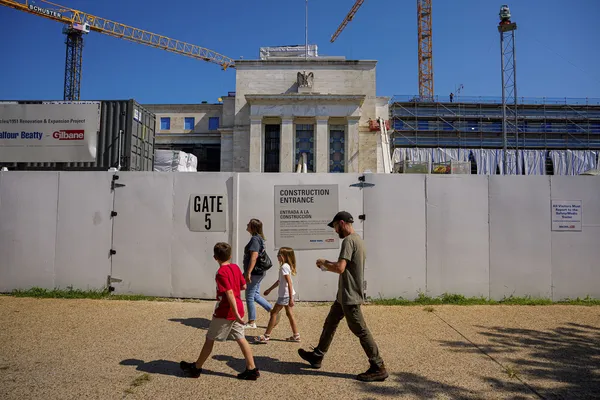
As of March 25, 2026, the Federal Reserve renovation investigation has yielded no prosecutable evidence tying the central bank's chair to criminal conduct, a federal judge found after reviewing material from a closed hearing. A prosecutor privately acknowledged limited evidence during a March 3 sealed session, and Chief Judge James Boasberg subsequently quashed subpoenas to the Federal Reserve on March 11, saying the case lacked substantive support.
During the sealed proceeding, Assistant U.S. Attorney Andrew Massucco told the court investigators could not point to specific false statements by Chair Jerome Powell and said cost overruns on a $2.5 billion renovation—roughly $1.2 billion above earlier estimates—prompted further inquiry. The inquiry centered on Powell's June testimony before the Senate Banking Committee about the building project. The dispute over subpoenas has also delayed Senate consideration of President Trump's nominee, Kevin Warsh, to replace Powell when his term ends May 15.
Officials voiced competing accounts of motive and process. Massucco said prosecutors are seeking facts, while attorney Robert Hur, representing the Fed board at the hearing, described the subpoenas as pressure tied to political interest in lower interest rates. U.S. Attorney Jeanine Pirro criticized the judge's ruling and said she would appeal. A Fed spokesperson declined to comment on Tuesday. Boasberg wrote that the record did not support treating the investigation as a response to suspicious conduct rather than as targeting of a public official.
📰 Related Stories
- Mayor Bowser Unveils Multi-Ward Housing Package Delivering 1,200 Units as D.C. Weighs Housing Investment Protection Act Washington • Oct 13, 2026
- Mayor Bowser Inaugurates $73M DC Infrastructure Academy at Spingarn as District Advances RFK Transit Master Plan Washington • Oct 06, 2026
- Mayor Bowser Transmits 180-Acre RFK Master Plan to D.C. Council as WMATA Plans Stadium-Armory Overhaul Washington • Oct 05, 2026
- Mayor Bowser Advances Housing Investment Protection Act as D.C. Council Debates 6,500 Homes at RFK Campus Washington • Oct 05, 2026