Iconic Slave Ship Timber to Leave Smithsonian's African American History Museum After Decade-Long Display
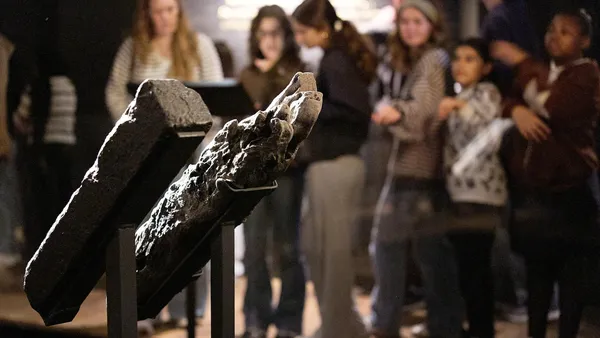
A historically significant timber fragment from one of the earliest recovered slave ships in the world will be removed from public display at the National Museum of African American History and Culture in Washington later this month, as a decade-long international loan agreement reaches its conclusion.
The wooden piece, salvaged from the São José-Paquete de Africa — a Portuguese vessel that sank in December 1794 off the coast of Cape Town after striking a rock — has been a centerpiece of the museum's 'Slavery and Freedom' exhibit since the institution opened in 2016. The 33-pound timber will be carefully packed in a specially constructed crate and returned to the Iziko Museums of South Africa, from which it was borrowed. March 22 marks the final day visitors can view it on display.
The São José was carrying more than 400 captives from Mozambique, bound for Brazil, when it foundered. Roughly half of those aboard perished. Survivors were subsequently resold into slavery in South Africa's Western Cape region. Rediscovered in 2015 and authenticated through the international Slave Wrecks Project, the ship is considered among the first confirmed wrecks of a trans-Atlantic slave vessel in which enslaved Africans lost their lives.
Museum officials emphasized that the removal is strictly governed by South African cultural patrimony law and the original loan terms, which were extended once before expiring on July 1. A ship cargo manifest will replace the timber in the exhibit, while ballast stones will remain on display for another two years before also being repatriated.
The timing of the change has drawn attention amid broader federal scrutiny of history-related exhibits at Smithsonian institutions, following a presidential executive order directing a review of historical programming. Museum deputy director Michelle Commander stated clearly that conservation requirements and legal obligations, not political pressure, are driving the decision.
Visitors who recently toured the exhibit described an emotionally overwhelming experience, underscoring the artifact's profound cultural weight.
📰 Related Stories
- Mayor Bowser Unveils Multi-Ward Housing Package Delivering 1,200 Units as D.C. Weighs Housing Investment Protection Act Washington • Oct 13, 2026
- Mayor Bowser Inaugurates $73M DC Infrastructure Academy at Spingarn as District Advances RFK Transit Master Plan Washington • Oct 06, 2026
- Mayor Bowser Transmits 180-Acre RFK Master Plan to D.C. Council as WMATA Plans Stadium-Armory Overhaul Washington • Oct 05, 2026
- Mayor Bowser Pushes Housing Investment Acts as D.C. Debates 6,500 Homes at RFK Stadium Campus Washington • Oct 05, 2026