Norovirus Cases Rising in Illinois and Midwest Ahead of Holidays
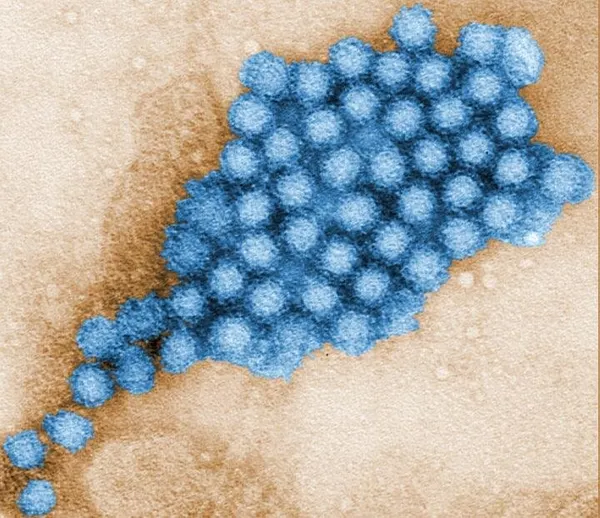
Norovirus Increase Reported in Illinois and Across Midwest
Cases of norovirus, a highly contagious stomach virus, are rising in Illinois and the broader Midwest region heading into the holiday gathering season. Health officials have issued warnings as data show an upward trend in infections in these areas.
National and Regional Surveillance Data
According to the Centers for Disease Control and Prevention (CDC), norovirus cases have been increasing nationally, particularly in the period leading up to and following the Thanksgiving holiday. While national case numbers showed early signs of decline in data from the week of November 29, case counts in the Midwest continued to climb during the same period.
The DuPage County Health Department in Illinois issued a social media alert on Tuesday stating that cases of norovirus are continuing to increase. The department noted that norovirus is very contagious and that anyone can get infected and become ill.
Wastewater data from the WastewaterSCAN program show a spike in norovirus levels across parts of Michigan and Indiana. Amanda Bidwell, scientific program manager for WastewaterSCAN, reported that norovirus concentrations detected in wastewater nationwide increased by 69% since October, based on data through November 21. She stated that norovirus levels are currently in the high category at the national level and that rates are high in the Northeast and Midwest regions.
The CDC reports an average of about 2,500 reported norovirus outbreaks in the United States each year. The agency defines an outbreak as two or more similar illnesses resulting from a common exposure that is suspected or laboratory-confirmed to be caused by norovirus.
Clinical Perspectives and Testing Practices
Dr. Jonathan Martin, an infectious disease physician with Cook County Health, stated that a rise in norovirus cases at this time of year is not uncommon. He explained that norovirus is typically diagnosed clinically rather than through routine laboratory testing and said it is rare for people who are not hospitalized to be formally tested for the virus.
Martin described norovirus as “very hardy” and noted that, because of this characteristic, it is not uncommon for all members of a household to become infected once the virus is introduced.
Nature of the Virus and Symptoms
The CDC describes norovirus as a very contagious virus that causes vomiting and diarrhea. It is sometimes referred to as the “stomach flu,” “stomach bug,” or “winter vomiting disease.” The disease is known to spread quickly and to be difficult to kill.
Martin said that acute onset cases generally involve typical symptoms such as nausea, vomiting and diarrhea. According to him, symptoms usually develop within 12 to 48 hours after exposure. The CDC lists diarrhea, vomiting, nausea, and stomach pain as the most common symptoms, with fever, headache and body aches also reported. Martin added that illnesses caused by norovirus usually last between 24 and 48 hours and that the infection can be differentiated from other winter viruses because congestion and cough are not common with norovirus when symptoms are limited to the gastrointestinal tract.
Complications and Dehydration Risks
Martin identified dehydration as the primary complication associated with norovirus infection. He said that it is important for people who are experiencing multiple episodes of vomiting or diarrhea to maintain hydration and to contact a doctor if they begin to fall behind on fluids, develop high-grade fevers, or feel increasingly tired and fatigued.
Symptoms of dehydration listed in the report include decreased urination, dry mouth and throat, dizziness when standing up, crying with few or no tears, and unusual sleepiness or fussiness.
Transmission Routes and Duration of Infectiousness
The DuPage County Health Department states that norovirus can spread through several routes: direct contact with an infected person, consuming contaminated food or water, and touching contaminated surfaces followed by placing unwashed hands in the mouth.
The CDC notes that people with norovirus illness usually recover within one to three days but can continue to spread the virus for a few days after they feel better. The agency reports that people can still shed norovirus for two weeks or more after recovery. The CDC also states that individuals can have norovirus illness multiple times because many different types of noroviruses exist and infection with one type may not protect against others.
Populations and Settings at Higher Risk
Experts cited in the report state that norovirus can infect anyone and is particularly challenging in congregate settings. Martin said the virus is a danger in schools and in congregate housing because it is easily spread. Children younger than 5 years old, older adults, and people with weakened immune systems are identified as being at increased risk for developing severe infections. According to the CDC, genetics may also be a risk factor for susceptibility to norovirus.
Prevention and Control Measures
Martin explained that norovirus can remain on commonly used surfaces such as countertops and toilet seats and that it is not killed by standard alcohol-based hand sanitizers. He said that soap and water should be used for effective handwashing and that bleach-based cleaners are needed to kill the virus on surfaces.
Martin advised that people who believe they are ill with norovirus should stay home, avoid leaving the house, and take steps to prevent infecting others, including washing hands and cleaning surrounding areas.
The CDC recommends several precautions to limit norovirus spread: washing hands well and often, cooking shellfish thoroughly, washing fruits and vegetables, cleaning and disinfecting contaminated surfaces, washing laundry in hot water, and staying home for 48 hours after symptoms stop.
📰 Related Stories
- Chicago Debuts First LaSalle Street Office-to-Housing Conversion at Bellwether as City Expands Divvy Bike-Share Network Chicago • Sep 30, 2026
- Chicago Advances Historic $5.7 Billion CTA Red Line Extension as Walsh-VINCI Joint Venture Drills Foundations for Four Far South Side Stations Chicago • Sep 30, 2026
- Chicago Introduces 12-Month Data Center Moratorium Ordinance as CTA Reports 27.9% Drop in Transit Crime Chicago • Sep 30, 2026
- Jacksonville Council Passes $2 Billion Budget Restoring $4.9M Housing Trust Fund as JTA Restructures Transit Debt Jacksonville • Sep 30, 2026